

Student Loans Move to Treasury in Major Federal Power Shift

The Trump administration has begun transferring federal student loan management from the Department of Education to the U.S. Treasury, marking one of the most significant structural changes to the student loan system in decades. The shift starts with defaulted loans but signals a broader realignment that could eventually move the entire $1.7 trillion portfolio out of Education oversight. At its core, the move reframes student debt as a financial asset to be managed rather than a social policy tool tied to education. Treasury, equipped with advanced financial infrastructure and collections authority, is expected to take a more aggressive and systemized approach to repayment and enforcement. Supporters argue the transition could streamline operations, reduce inefficiencies, and bring long-overdue discipline to a system that has struggled with servicing failures and borrower confusion. Critics, however, warn that shifting control away from the Education Department may weaken borrower protections and create new layers of complexity for millions of Americans already navigating repayment. The timing is equally notable. The move comes amid broader efforts to reshape or reduce the role of the Department of Education, raising questions about whether this is an operational fix or the first step in a larger institutional overhaul. For borrowers, the immediate impact may be subtle, but the long-term implications are significant. The system governing how Americans repay their education debt is no longer anchored solely in education policy. It is becoming part of the federal government’s financial machinery — and that shift could redefine how student debt is treated for years to come.
Congress Moves to Expand Federal AI Surveillance Powers as Privacy Debate Intensifies
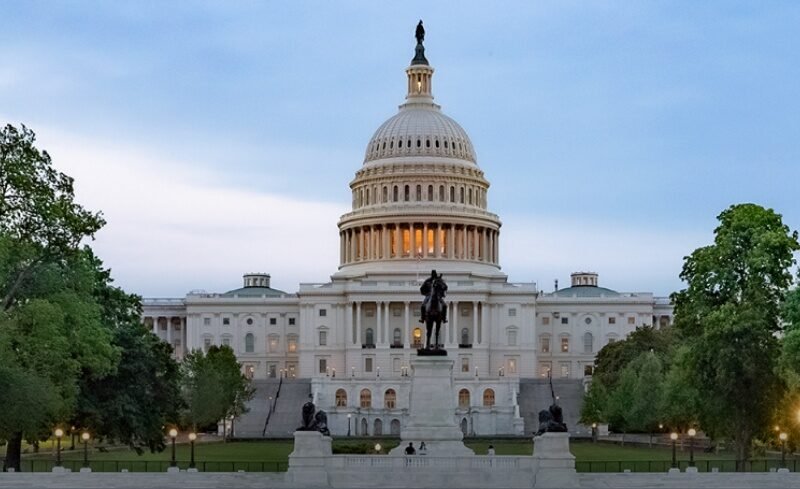
Federal lawmakers are advancing new legislation that would significantly expand the government’s ability to use artificial intelligence for surveillance, triggering immediate backlash from privacy advocates and civil liberties groups. The proposal would allow federal agencies to deploy AI tools to monitor digital communications, financial transactions, and public activity patterns at scale, all under the banner of national security. Supporters argue the move is necessary as global threats evolve faster than traditional intelligence methods can handle. With adversaries increasingly using AI for cyberwarfare, misinformation, and financial disruption, officials say the U.S. must modernize its capabilities or risk falling behind. The bill includes provisions aimed at streamlining data-sharing across agencies and accelerating AI deployment in active investigations. Critics, including privacy advocates, however, warn that the scope of the legislation is too broad and lacks sufficient guardrails. Concerns center on potential overreach, including mass data collection on ordinary Americans without clear transparency or accountability. Several advocacy groups have called for stricter limitations, independent oversight, and explicit protections against misuse. The debate reflects a growing tension in Washington: how to balance national security with individual privacy in an AI-driven world. As the bill moves toward a vote, lawmakers on both sides are under pressure to define where that line should be drawn.
Housing Market Shows Signs of Cooling as High Rates Continue to Squeeze Buyers

The U.S. housing market is beginning to show signs of a slowdown as elevated mortgage rates continue to pressure affordability and sideline potential buyers. After years of rapid price growth and fierce competition, new data suggests demand is softening in several key markets, with homes taking longer to sell and price increases leveling off. Buyers are increasingly hesitant to commit, faced with borrowing costs that remain near multi-year highs. Monthly payments have climbed significantly compared to just a few years ago, forcing many would-be homeowners to delay purchases or adjust expectations. First-time buyers, in particular, are feeling the strain. Sellers, meanwhile, are entering a more balanced market environment. While inventory remains relatively tight, the urgency that once defined the market has cooled. Price cuts, once rare, are becoming more common in certain regions as sellers adapt to shifting conditions. Economists say the market is not crashing, but recalibrating. Much will depend on the Federal Reserve’s next moves and whether mortgage rates begin to ease later this year. For now, the housing market appears to be entering a new phase—one defined less by frenzy and more by caution.
Top U.S. Counterterrorism Chief Resigns, Says Iran Posed “No Imminent Threat”

In a sudden and highly consequential move, former National Counterterrorism Center Director Joe Kent announced his resignation, citing deep opposition to the United States’ involvement in the ongoing war with Iran. The decision immediately raises questions about internal divisions at the highest levels of U.S. national security leadership. In a statement posted publicly on X, Kent made his reasoning clear: “After much reflection, I have decided to resign from my position as Director of the National Counterterrorism Center, effective today. I cannot in good conscience support the ongoing war in Iran. Iran posed no imminent threat to our nation, and it is clear that we started this war due to pressure from Israel and its powerful American lobby. It has been an honor serving under @POTUS and @DNIGabbard and leading the professionals at NCTC. May God bless America.” Kent’s resignation comes just weeks after President Donald Trump nominated him to lead the National Counterterrorism Center in early February, underscoring the abrupt nature of his departure from one of the government’s most sensitive intelligence positions. The resignation is notable not only for its timing, but for the bluntness of his criticism. Senior intelligence officials rarely break publicly with an administration’s foreign policy, especially on active military operations. His remarks suggest a serious fracture within parts of the national security apparatus over both the justification for the conflict and the influence shaping U.S. decision-making. The National Counterterrorism Center plays a central role in coordinating intelligence efforts across agencies, meaning Kent’s departure leaves a critical leadership gap at a time of heightened global tension. It also places additional scrutiny on the administration’s strategy in Iran, which has already sparked debate in Washington and beyond. For now, the White House has not issued a detailed response to Kent’s resignation. But the implications are clear: this is a signal that the war in Iran may be facing growing resistance from within the very institutions tasked with carrying it out.
Bank of America Settles Epstein Victims Lawsuit, Avoiding Trial That Could Have Exposed Banking Ties
Bank of America has reached a settlement with women who accused the financial giant of enabling the sexual abuse network run by disgraced financier Jeffrey Epstein, bringing a closely watched lawsuit to a sudden halt just weeks before key testimony and a potential trial. The agreement was disclosed during a court proceeding in Manhattan and must still receive final approval from a federal judge. The lawsuit, filed by a woman identified in court records as “Jane Doe,” alleged that the bank ignored suspicious financial activity connected to Epstein despite warning signs surrounding his trafficking operation. Plaintiffs argued that financial institutions often serve as a critical line of defense against crimes such as money laundering and human trafficking, and that in this case those safeguards failed. Bank of America has denied any wrongdoing, maintaining that it provided routine banking services and was not aware of criminal activity tied to the accounts involved. Still, a federal judge earlier allowed key claims in the case to move forward, including allegations that the bank knowingly benefited from Epstein’s financial network. The settlement effectively ends what could have become a high-profile courtroom battle. A scheduled deposition of billionaire investor Leon Black, who previously acknowledged paying Epstein millions for tax and estate planning advice, is now unlikely to move forward if the agreement receives final approval. The case is part of a broader wave of litigation examining the role major financial institutions may have played in handling Epstein’s finances. In recent years, several large banks have faced lawsuits and settlements connected to the disgraced financier’s network, intensifying scrutiny on how global banks monitor suspicious activity tied to powerful clients. The litigation surrounding Epstein’s finances has already produced hundreds of millions of dollars in settlements. JPMorgan Chase agreed to pay roughly $290 million to victims, while Deutsche Bank paid $75 million in a separate case. Additional settlements tied to Epstein’s estate and related claims have pushed total payouts well into the hundreds of millions of dollars. The settlement is the latest chapter in the financial reckoning tied to Epstein’s network. A compensation fund established by the Epstein estate has already distributed about $121 million to more than 130 survivors through the Epstein Victims’ Compensation Program, underscoring the continuing legal and financial fallout from one of the most notorious trafficking cases in recent history.
Trump Supports FCC Warning That Broadcasters Could Lose Licenses Over Iran War Coverage

President Donald Trump has backed a warning from Federal Communications Commission Chair Brendan Carr that U.S. broadcasters could face penalties for spreading misinformation about the war with Iran. Those penalties could include the revocation of a station’s FCC broadcast license. Carr indicated that television stations operating under federal broadcast licenses must ensure their reporting serves the public interest, cautioning that outlets promoting what he described as “news distortions” about the conflict could face scrutiny during future license reviews. Broadcast licenses in the United States are granted by the federal government and must be periodically renewed, giving regulators oversight over stations that use the public airwaves. Trump endorsed the FCC chair’s stance, accusing some news organizations of spreading misleading narratives about the war. The president has also argued that Iran and its allies are attempting to influence global opinion through digital propaganda, including the use of artificial intelligence to circulate fabricated images and misleading battlefield claims. The warnings have drawn criticism from lawmakers and free-speech advocates who argue that threatening broadcast licenses over wartime coverage risks crossing into government pressure on the press. Critics say the First Amendment protects the ability of news organizations to scrutinize government actions, particularly during military conflicts when public accountability is most critical. The dispute reflects a broader struggle over how modern wars are reported in a fragmented media landscape. As military conflict increasingly intersects with disinformation campaigns and sharply divided political narratives, the fight over public perception is unfolding not only on the battlefield but across television networks, digital platforms, and the global information ecosystem.
Trump Says 100 Million Barrels of Venezuelan Oil Are Coming — But Gas Prices Are Rising
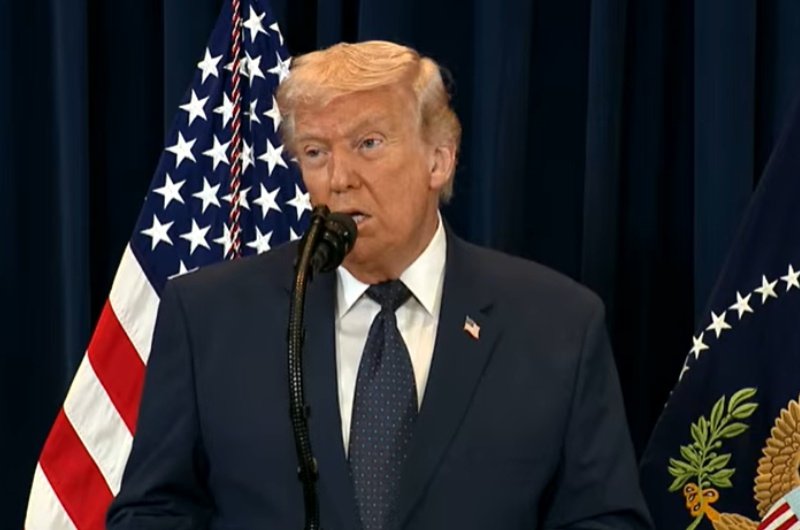
President Donald Trump sought to reassure Americans about the nation’s energy supply during a March 9 press conference, saying the United States has more than enough oil despite rising global tensions. “It doesn’t really affect us. We have so much oil. We have tremendous oil and gas, much more than we need,” Trump said. He added that Venezuela has become “our new partner, great partner,” describing the country as “a massive source of oil, gas, everything.” The comments come as the administration highlights new oil shipments from Venezuela, with more than 100 million barrels projected to enter the supply chain and be refined for U.S. use. Officials say the additional supply is intended to help offset market anxiety tied to conflict in the Middle East and uncertainty surrounding major global shipping routes. Yet across the United States, drivers are beginning to see gasoline prices climb. Energy markets often react quickly to geopolitical risk, and the possibility of disruption in major oil-producing regions can push prices higher even before any real supply shortages appear. For consumers, the situation underscores how closely domestic fuel costs are tied to global events. While new partnerships and additional supply may ease pressure over time, uncertainty in international energy markets can quickly translate into higher prices at the pump.
U.S. Submarine Sinks Iranian Warship, Leaving 87 Dead in Major Naval Escalation

An Iranian naval vessel has been sunk in the Indian Ocean after being struck by a torpedo fired from a U.S. submarine, marking a dramatic escalation in the widening confrontation involving Iran and its adversaries. The ship, identified as the Iranian frigate IRIS Dena, had recently taken part in international naval events hosted by India before beginning its return journey. The attack occurred in international waters south of Sri Lanka, where the vessel issued a distress signal before ultimately sinking. Sri Lanka’s navy responded to the emergency and launched a rescue operation in the area. Officials reported that 32 Iranian sailors were rescued, while 87 bodies were recovered as search efforts continued around the site of the sinking. Military analysts note that the incident is highly unusual in modern naval warfare. The use of a submarine-launched torpedo to destroy a surface warship is rarely seen in contemporary conflicts and has not occurred often since World War II. Iran has condemned the attack and warned of consequences, raising concerns that tensions in the region could expand further into key maritime corridors and international shipping lanes.
State Department Warns Americans Overseas: Depart Immediately

The U.S. Department of State has issued urgent guidance urging American citizens in parts of the Middle East to depart immediately, expanding evacuation advisories as regional tensions intensify. Officials are advising U.S. travelers and residents in more than a dozen countries to use available commercial transportation to leave as soon as possible, citing escalating security risks and an increasingly unpredictable environment. The advisory now covers Bahrain, Egypt, Iran, Iraq, Israel (including the West Bank and Gaza), Jordan, Kuwait, Lebanon, Oman, Qatar, Saudi Arabia, Syria, the United Arab Emirates, and Yemen. The expansion follows rising hostilities linked to recent U.S.- and Israeli-led military actions targeting Iranian leadership and infrastructure. Officials warn that retaliatory actions and shifting security conditions could affect civilian safety, airspace access, and regional travel routes with little notice. Americans currently in the affected countries are encouraged to enroll in the State Department’s Smart Traveler Enrollment Program (STEP) for real-time alerts and to maintain contact with the nearest U.S. embassy or consulate. Travelers are urged to monitor local developments closely and to consider all available departure options where safe and feasible. The broadened advisory underscores the widening impact of the conflict and signals continued concern from U.S. officials that conditions across the region may deteriorate further in the coming days.
Iran Closes Strait of Hormuz After Strikes, Threatening Global Oil Supply
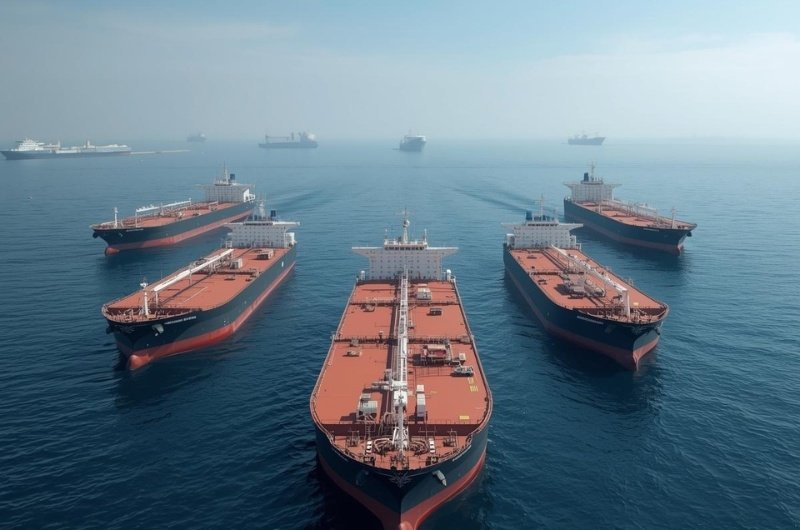
In a direct response to the U.S. and Israeli strike, Iran has closed the Strait of Hormuz — one of the world’s most strategically critical oil shipping routes. The narrow passage serves as a major shipping route for oil exports from Saudi Arabia, the United Arab Emirates, Qatar, Kuwait, and Iraq. A significant portion of the world’s energy supply passes through this corridor. With the strait effectively blocked, global oil markets are already reacting. Analysts warn that prolonged disruption could send energy prices sharply higher, fueling inflation concerns and adding new pressure to economies still navigating post-pandemic recovery and global instability. The closure may also shift global demand patterns. Russia, another major oil producer, could see increased interest from buyers seeking alternative supply routes. Venezuela, which holds some of the largest crude reserves in the world, remains a more complicated option due to refining challenges tied to the quality of its oil. U.S. energy companies have historically expressed hesitation about scaling Venezuelan imports for that reason. The ripple effects extend far beyond the Middle East. Shipping insurers, commodity traders, and central banks are all recalculating risk exposure as volatility increases. If the standoff continues, the economic consequences could reach consumers quickly in the form of higher fuel prices and broader cost increases. As military tensions rise and economic uncertainty spreads, the Strait of Hormuz is once again at the center of a global power struggle — with implications that stretch from regional security to household budgets worldwide. ——————– Related: BREAKING NEWS: U.S. and Israel Strike Iran; Supreme Leader Reported Dead as Region Erupts