


DHS Shutdown Raises Travel Concerns as Spring Break Approaches

A partial federal government shutdown affecting the U.S. Department of Homeland Security began early Saturday morning after Congress failed to pass a funding extension before a midnight deadline, placing airport security operations and other key federal services under temporary shutdown procedures nationwide. TSA officers and other essential personnel are required to continue working without pay during the lapse in funding. Airport security checkpoints remain open nationwide, but travel industry groups warn that prolonged uncertainty could create strain if employee absences increase during one of the busiest travel periods of the year. Spring Break travel is already ramping up across major U.S. airports, and even modest staffing disruptions can ripple through screening lines and flight schedules. Airlines and tourism organizations have urged lawmakers to reach a funding agreement quickly, noting that airport efficiency is critical to both traveler confidence and the broader economy. This is not a full federal shutdown. Funding for most government operations is secure through the fiscal year, but DHS — which oversees TSA, FEMA, Customs and Border Protection, the Coast Guard, and other security agencies — is operating without new appropriations until a deal is reached. For now, travelers are advised to monitor flight updates, arrive at airports earlier than usual, and check security wait times ahead of departure. While widespread disruptions have not yet materialized, the longer the funding lapse continues, the greater the potential for operational pressure at airports nationwide.
DHS Set to Shut Down After Congress Leaves Washington Without Funding Deal
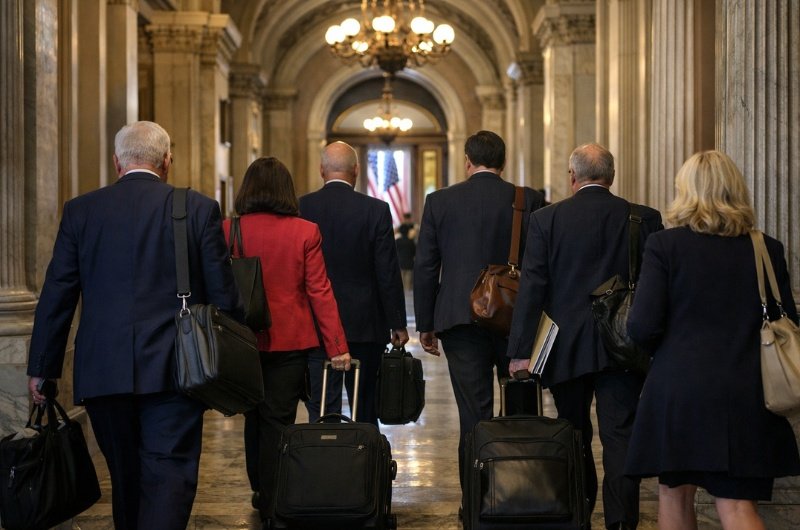
The Department of Homeland Security is on track to partially shut down this weekend after Congress departed for the Presidents Day recess without approving a funding extension, leaving one of the nation’s largest federal agencies facing an immediate budget lapse. Lawmakers had been negotiating a short-term funding solution to keep the department operating beyond Friday’s deadline, but disagreements over immigration enforcement and oversight provisions stalled progress. Without congressional action, DHS funding expires at midnight, triggering contingency plans across multiple agencies. The Department of Homeland Security oversees a wide range of federal operations, including Immigration and Customs Enforcement (ICE), the Transportation Security Administration (TSA), the Coast Guard, the Federal Emergency Management Agency (FEMA), and U.S. Customs and Border Protection. While many essential employees would continue working during a shutdown, thousands of others could face temporary furloughs or delayed pay. The funding breakdown underscores the deep divisions in Washington over border security policy and enforcement authority. Immigration strategy has become one of the most contentious issues in the current Congress, with lawmakers split over how aggressively federal agencies should operate and what guardrails should be imposed. Unless lawmakers reconvene and pass emergency legislation in the coming days, DHS operations will shift into shutdown status as early as Saturday — creating operational strain at airports, ports of entry, and disaster response coordination hubs nationwide. ——————– Related: DHS Shutdown Looms as Democrats Set Conditions for Funding Approval
Winter Olympics 2026: Milan-Cortina Games Bring Global Competition to Northern Italy

The 2026 Winter Olympic Games are underway across northern Italy, with competitions hosted jointly by Milan and the alpine resort town of Cortina d’Ampezzo. Officially branded Milano Cortina 2026, the Games run from February 6 through February 22 and mark Italy’s third time hosting the Winter Olympics. Italy previously hosted the Winter Games in Cortina in 1956 and in Turin in 2006. This year’s event is distinctive for its multi-city format, with venues spread across northern Italy rather than centered in a single metropolitan area. Milan is serving as the hub for indoor ice sports such as figure skating, short-track speed skating, and portions of the ice hockey tournament. Meanwhile, alpine skiing and several snow-based competitions are taking place in the Dolomite mountain region surrounding Cortina. Additional events are being staged in nearby Alpine communities, creating one of the most geographically expansive Winter Games in recent history. Nearly 3,000 athletes representing more than 80 nations are competing across a broad slate of winter disciplines. As marquee events approach — including downhill finals, figure skating competitions, and high-profile hockey matchups — global viewership is expected to rise sharply. Beyond medal counts, the Milan-Cortina Winter Olympics are serving as a major international showcase for winter sport, tourism, and cultural exchange in one of Europe’s most iconic alpine regions.
Arrest Made in Disappearance of Savannah Guthrie’s Mother

Authorities have detained an individual in connection with the disappearance of Nancy Guthrie, the 84-year-old mother of Today show co-host Savannah Guthrie. The detention follows days of escalating public concern and a widening investigation that has drawn national attention. Law enforcement officials confirmed that the person was taken into custody during a traffic stop in southern Arizona and is being questioned about their potential involvement in the case. At this time, no formal charges have been announced. Investigators also executed a court-approved search at a residence believed to be connected to the individual. Nancy Guthrie was reported missing earlier this month after she failed to attend a church service and could not be reached by family members. Authorities later disclosed that evidence recovered from her property suggested possible foul play. Surveillance images released to the public showed a masked individual near her home on the night she disappeared, intensifying concerns about a possible abduction. Savannah Guthrie and her siblings have made emotional public appeals for information, urging anyone with knowledge of the case to come forward. The family has expressed hope that she is still alive and has offered a reward for credible tips leading to her safe return. Investigators say the case remains active and fluid. Officials are urging the public not to speculate as they continue reviewing evidence and conducting interviews.
Senate Republicans Push for DHS Funding Extension Amid Shutdown Concerns
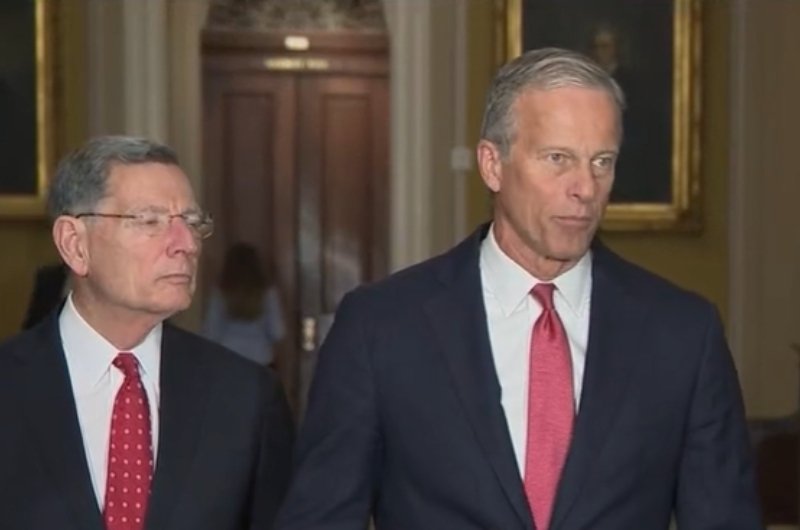
Senate Republican leaders urged Democrats to allow additional time to finalize funding for the Department of Homeland Security, warning that failure to act could risk disruption to critical federal agencies. Speaking during a news conference, Republican lawmakers emphasized that roughly 90% of federal government funding measures are already in place, leaving DHS as one of the final outstanding components. They noted that the department’s responsibilities extend far beyond immigration enforcement, including FEMA disaster response, the Coast Guard, TSA operations, and federal cybersecurity infrastructure. Republican leaders argued that negotiations between congressional leaders and the White House have been productive but remain incomplete. They said Democrats only recently received legislative text and called for a short-term extension of the current continuing resolution to allow talks to continue through the end of the fiscal year in September. A central point of contention remains immigration enforcement. Republicans stated they are unwilling to support provisions they believe would make it “harder, not easier” for law enforcement officials to detain and remove individuals they describe as dangerous undocumented immigrants. Democrats have pushed for greater oversight and policy adjustments, framing the debate as part of broader immigration reform discussions. With a potential shutdown looming if an agreement is not reached, both sides now face mounting pressure to secure a deal. Republican leaders signaled they are open to further negotiations but warned against what they described as holding essential agencies “hostage” during budget brinkmanship. Whether Democrats will agree to additional time or force procedural votes remains uncertain.
Trump Wants Dulles Airport and Penn Station to Bear His Name in Exchange for Release of Gateway Tunnel Funding

President Donald Trump has proposed a highly unconventional deal to Democratic Senate leader Chuck Schumer: support renaming Washington’s Dulles International Airport and New York’s Penn Station after Trump, and the White House would release up to $16 billion in frozen federal funding for the long-delayed Gateway tunnel project. According to multiple reports, the proposal was raised during private discussions surrounding the stalled infrastructure project, which would build new rail tunnels beneath the Hudson River between New Jersey and New York. The Gateway project is widely viewed as critical to the Northeast Corridor, the busiest rail route in the United States. Schumer publicly rejected the idea, calling the suggestion inappropriate and stating that the administration could release the funds without any such conditions. The Gateway tunnel project has long been a political flashpoint, involving years of cost debates, federal-state negotiations, and concerns over aging rail infrastructure. The existing tunnels, which date back more than a century, were heavily damaged during Superstorm Sandy and are considered increasingly unreliable. Transportation officials have warned that a prolonged funding freeze could result in severe service disruptions affecting hundreds of thousands of daily commuters. Trump’s reported proposal immediately sparked controversy on Capitol Hill. Critics framed the offer as an attempt to leverage federal infrastructure dollars for personal branding, an approach they argue undermines longstanding norms surrounding public assets and taxpayer funding. Schumer responded by saying he had no authority to rename federal transportation hubs and accused the president of politicizing a project with major economic and safety implications. Supporters of the president, however, pushed back on that characterization. Some Republicans argued that the administration has the right to reassess federal spending priorities and questioned the management and cost structure of the Gateway project itself. A small group of GOP lawmakers has separately introduced legislation proposing to rename Dulles Airport in Trump’s honor, though the measure faces steep political odds. The White House has not formally outlined the proposal in writing, leaving lingering questions about whether the suggestion was intended as a serious negotiation tactic or a symbolic gesture. Still, the episode has added a new layer of tension to an already fraught infrastructure debate, highlighting how deeply political dynamics now shape major public works decisions. ——————– Related: Federal Judge Temporarily Blocks Trump Administration From Withholding Gateway Tunnel Funds
Trump Officially Launches TrumpRx.gov to Lower Prescription Drug Costs
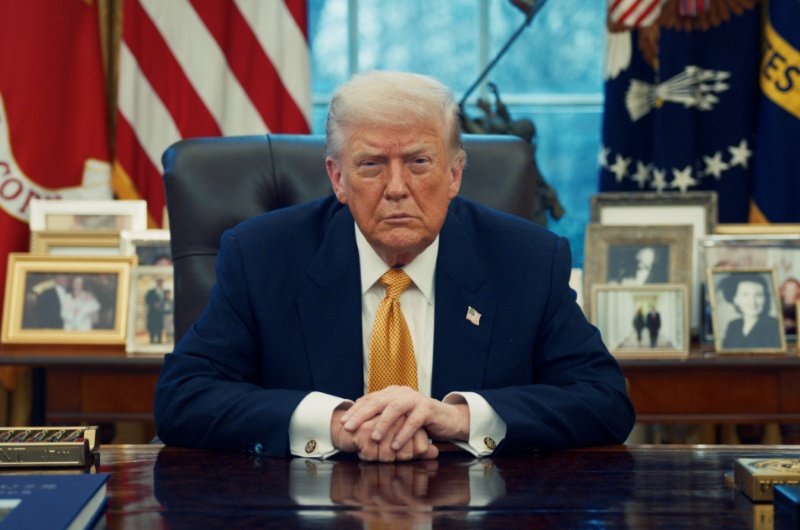
President Donald J. Trump has officially launched TrumpRx.gov, a new federal initiative aimed at reducing prescription drug costs for American patients by offering direct access to discounted medication prices. The platform functions as a pricing and access portal rather than a traditional pharmacy. Patients can search for select medications and either purchase them directly from participating manufacturers or use available discount options at local pharmacies. At launch, the site includes dozens of commonly prescribed drugs, particularly those used to treat chronic conditions such as diabetes, heart disease, respiratory illness, and obesity. Administration officials say the program is designed to benefit uninsured and underinsured Americans, as well as those facing high out-of-pocket costs. Prices listed on TrumpRx.gov are negotiated through agreements that benchmark U.S. drug costs against lower prices paid in other developed countries, an approach the White House says helps eliminate long-standing pricing disparities. The launch positions TrumpRx as a cornerstone of a broader healthcare affordability strategy, emphasizing direct consumer access and price transparency over insurer-driven pricing structures. While the administration promotes the initiative as a meaningful step toward lowering everyday healthcare costs, its long-term impact will depend on patient participation and how the program interacts with existing insurance and pharmacy benefit systems. Why it matters: Prescription drug prices remain one of the most persistent financial pressures on American households. TrumpRx.gov represents a significant shift toward government-facilitated, consumer-direct pricing — an approach that could influence future healthcare policy debates as 2026 unfolds.
What Trump’s “Great Healthcare Plan” Means for Your Money — and Your Care

President Donald J. Trump is pushing a fundamental shift in how Americans pay for healthcare, centered on a simple idea: putting healthcare dollars directly into patients’ hands and letting them choose their own care. At the heart of the proposal is a move away from government subsidies flowing primarily to insurers and large healthcare systems. Instead, the administration envisions depositing healthcare funds directly into individual healthcare savings accounts. Patients would then use that money to purchase coverage, services, or medications that best fit their family’s needs — creating a more consumer-driven healthcare market. The plan’s core promise is choice. By allowing individuals to shop for care with their own allocated funds, supporters argue that competition would drive prices down while improving quality. Patients could compare providers, seek transparent pricing, and avoid paying for coverage or services they don’t use. The administration frames this as a way to reduce waste, eliminate middlemen, and end what it describes as systemic inefficiencies baked into the current system. Critics, however, raise questions about how the plan would work in practice. Key concerns include whether direct funding would be sufficient for patients with complex or chronic conditions, how catastrophic care would be handled, and whether consumers would realistically have the information needed to navigate medical pricing on their own. The proposal would likely reshape insurance markets, potentially reducing the role of traditional plans while increasing reliance on high-deductible coverage paired with savings accounts. The Readovia Lens If implemented, the Great Healthcare Plan would represent one of the most significant structural changes to U.S. healthcare financing in decades. By shifting power — and responsibility — directly to patients, the plan could lower costs for some Americans while fundamentally changing how healthcare is bought, sold, and valued across the system.
Paul Weiss Chairman Steps Down After Newly Released Epstein Emails Surface

Brad Karp, the chairman of one of America’s most influential law firms, resigned Wednesday after newly unsealed emails revealed past contact with Jeffrey Epstein, renewing scrutiny of the late financier’s far-reaching personal network. Karp, who has led Paul, Weiss, Rifkind, Wharton & Garrison for nearly two decades, said he decided to step aside following the disclosure of the correspondence. The emails were made public as part of a broader federal document release tied to ongoing investigations into Epstein’s associates and social circle. According to the firm, Karp never represented Epstein in a legal capacity, and the emails did not involve firm business. Still, the revelations prompted internal concern that the attention surrounding the correspondence could distract from client work and the firm’s leadership responsibilities. Karp said remaining in the chairman role was no longer tenable under the circumstances, though he plans to continue practicing law at the firm. Paul Weiss has named senior partner Scott Barshay as the new chairman, signaling an effort to stabilize leadership quickly amid growing public attention. The firm emphasized continuity in its operations and leadership structure, underscoring that no wrongdoing has been alleged against the firm itself. The resignation adds to the expanding ripple effects of the Epstein disclosures, which have once again drawn prominent institutions into uncomfortable public reassessments. As additional records continue to emerge, the episode underscores how associations — even indirect ones — can carry lasting reputational consequences across the legal, political, and financial worlds.
White House Orders Withdrawal of 700 Immigration Agents from Minnesota

The Trump administration is pulling back hundreds of federal immigration enforcement officers from Minnesota following weeks of heightened tension, protests, and political pushback tied to a major federal crackdown in the state. White House border policy adviser Tom Homan confirmed that roughly 700 immigration agents will be withdrawn immediately, reducing the federal presence that had surged to nearly 3,000 officers during the operation. About 2,000 agents are expected to remain in place as enforcement efforts continue. Administration officials characterized the move as a tactical shift rather than a reversal. Homan described the decision as part of a transition toward more targeted enforcement, citing what the administration says has been improved coordination with state and local authorities on transferring detainees into federal custody. The drawdown follows escalating unrest in the Twin Cities, where demonstrations erupted in response to the scale and intensity of federal immigration actions. The situation grew more volatile after multiple violent incidents involving federal agents occurred during enforcement operations, further intensifying scrutiny from local leaders and civil rights advocates. While the reduced presence signals a partial de-escalation, federal officials emphasized that immigration enforcement in Minnesota is ongoing. The episode highlights the political and social fault lines surrounding immigration policy as the administration balances aggressive enforcement goals with growing public and institutional resistance.