For millions of adults, the annual check-up comes with a familiar warning: your blood pressure is creeping up. What used to be dismissed as a normal part of aging is now a growing concern — and one that doesn’t always have to lead to a lifetime of medication.
According to recent data from the Centers for Disease Control and Prevention (CDC), approximately 48% — or about 120 million — U.S. adults have high blood pressure, also known as hypertension. It’s generally defined as a systolic pressure of 130 mm Hg or higher, a diastolic pressure of 80 mm Hg or higher, or taking medication for hypertension.
The U.S. Food and Drug Administration (FDA) classifies normal blood pressure as 120/80 mm Hg or lower. Readings between 130–139 mm Hg systolic or 80–89 mm Hg diastolic fall into Stage 1 hypertension, while Stage 2 high blood pressure is 140/90 mm Hg or higher.
A new generation of wellness research shows that managing blood pressure naturally is not only possible but often more effective when combined with small, consistent lifestyle changes. From diet and movement to digital monitoring and stress control, modern prevention is moving beyond the prescription pad.
The Pressure Problem
Many American adults living with elevated blood pressure don’t realize it until it’s dangerously high. While medication remains essential for some, doctors are increasingly recommending non-pharmacologic interventions — a combination of lifestyle strategies proven to lower blood pressure and protect heart health before drugs are required.
“Lifestyle modification is still the cornerstone of hypertension management,” says Dr. Suzanne Oparil of the American Heart Association. “Even when medication is necessary, these changes enhance effectiveness and reduce long-term risks.”
Eat Smarter, Not Stricter
The science is clear: a balanced diet is one of the most powerful tools for managing blood pressure naturally. The DASH (Dietary Approaches to Stop Hypertension) plan — emphasizing fruits, vegetables, lean proteins, and whole grains — remains the gold standard. But researchers say newer approaches like the Mediterranean diet and low-sodium, high-potassium meal plans may be even more sustainable.
A 2024 meta-analysis published in The Lancet found that reducing sodium intake by just 1 gram per day lowered systolic blood pressure by an average of 5 points. Substituting standard table salt with potassium-based salt blends achieved even greater improvements.
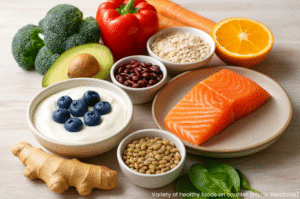
Good sources of potassium include bananas, spinach, sweet potatoes, lentils, and avocados — all staples of a modern heart-healthy kitchen.
Move with Purpose
Exercise remains the closest thing to a daily prescription for vascular health. You don’t have to run marathons; research from the American Journal of Preventive Medicine shows that 150 minutes of brisk walking per week — roughly 20 minutes a day — can reduce systolic pressure by up to 10 points.
Even short “movement snacks” count: stretching between Zoom calls, light resistance training, or yoga sequences that encourage blood flow and relaxation. Consistency, not intensity, is what keeps pressure down.
Breathe, Rest, and Recenter
Modern medicine is rediscovering what mindfulness has always known: calm lowers pressure. Practices like deep breathing, meditation, and guided relaxation can reduce stress-related spikes in blood pressure almost immediately.
A study from Johns Hopkins Medicine found that controlled breathing exercises — as little as six deep breaths per minute for 10 minutes daily — significantly improved vascular flexibility in older adults. Sleep also plays a critical role; chronic sleep deprivation can raise blood pressure by activating stress hormones like cortisol.
The Tech Advantage
Today’s wellness landscape offers digital support that previous generations never had. Smartwatches and blood pressure wearables can track heart rate variability, stress, and recovery in real time — giving users early warnings before readings escalate. Devices like Omron’s HeartGuide and Withings’ BPM Connect sync directly with smartphone apps, offering trends that can guide both daily choices and doctor discussions.
Telehealth has also expanded access to remote monitoring programs where patients share readings directly with care teams, allowing interventions before conditions worsen.
Rethink the Routine
For many, lifestyle change starts with unlearning the quiet habits that feed hypertension. That includes cutting back on alcohol, quitting smoking, and reducing ultra-processed foods that hide high sodium levels.
Even something as simple as hydration can make a difference. Dehydration thickens blood and forces the heart to work harder. Experts recommend drinking water consistently throughout the day rather than “catching up” at night.
When Medication Still Matters
Natural management doesn’t mean rejecting medical care. For those with stage 2 hypertension or underlying health conditions, medication remains crucial — but these same lifestyle habits can enhance effectiveness and sometimes allow lower dosages.
The real goal, experts emphasize, is balance: understanding that prevention is an active, lifelong process rather than a pill-by-pill solution.
From The Readovia Lens
Preventing high blood pressure in today’s world is about intentional living. From technology that keeps you informed to daily habits that keep you calm, modern wellness is reshaping how we think about heart health.
Medication saves lives. But for millions standing at the edge of “borderline,” a few daily adjustments — and a little consistency — might keep the doctor from writing that first prescription.