


Financially Attractive: Why Women Love a Man with a Roth IRA

There was a time when being tall, funny, or knowing your way around a grill was enough to attract a woman. Not anymore. In 2025, there’s a new green light on the dating scene. It’s called financial literacy. And yes — that includes having a Roth IRA, knowing what an index fund is, and maybe even reading the fine print on a high-yield savings account. Women aren’t just looking for chemistry — they’re scanning for fiscal responsibility. And let’s be honest, there’s something undeniably attractive about a person who knows where their money goes, what their credit score is, and doesn’t fumble through a conversation about retirement planning. The Roth IRA Glow-Up Let’s talk about the Roth IRA. It’s not flashy. It doesn’t come with a metal card or a sleek app interface. But to someone who understands compound growth, it’s practically romantic. Tax-free withdrawals in retirement? That’s the kind of future planning that makes hearts flutter. In a recent national survey (yes, a real one), nearly 70% of single women said financial responsibility was more important than appearance when evaluating long-term compatibility. So if you’re maxing out your contributions before cuffing season, congratulations — you’re now “investment cute.” Being Good with Money ≠ Being Rich Let’s clarify something: being financially attractive isn’t about how much money you have. It’s about how you handle money. It means: You don’t impulse-buy crypto because a guy on TikTok said it’ll “explode.” You understand that buying a $6 coffee isn’t ruining your future — but ignoring your 401(k) might be. You’ve unlinked your checking and savings accounts to avoid “accidental” transfers during 2 a.m. online shopping spirals. Showing Off? Nah. It’s not about showing off. It’s about showing up — and building something that will last longer than next week’s concert tickets. The Real ROI of Being Financially Attractive Here’s the thing: money talk can get awkward fast in dating — vague answers, shifting eyes, sudden changes of subject. But when someone shows up financially literate, the tension fades. Real conversations happen. Shared goals feel possible. And suddenly, before you know it, you’re not just dreaming about the future — you’re planning it together. So if you’ve been wondering why your DMs are quiet, maybe it’s time to stop leading with your gym selfie and start mentioning your Roth strategy. That, or adopt a golden retriever. Honestly, both work. The Author
Ultra-Processed Foods Tied to Higher Risk of Depression, Study Finds
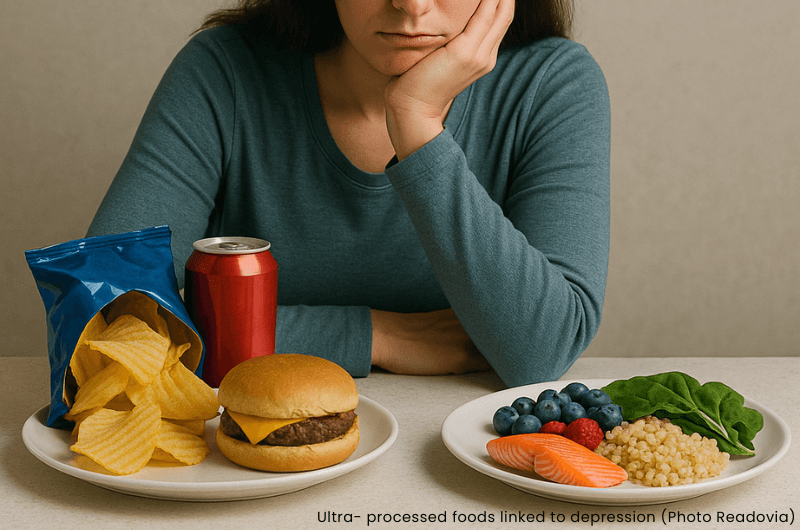
A recent study conducted by researchers from Harvard Medical School and Massachusetts General Hospital has found a significant link between high consumption of ultra-processed foods and an increased risk of depression among women. The study analyzed data from over 31,000 participants in the Nurses’ Health Study II, tracking dietary habits and mental health outcomes over a 14-year period. Participants who consumed the most ultra-processed foods—such as packaged snacks, sugary cereals, and processed meats—were found to have a higher incidence of depression compared to those who consumed the least. Notably, the study highlighted that artificial sweeteners and artificially sweetened beverages were particularly associated with increased depression risk. Researchers suggest that these foods may contribute to inflammation, disrupt the gut microbiome, and affect neurotransmitter function, all of which are factors implicated in depression. The findings underscore the importance of dietary choices in mental health and suggest that reducing intake of ultra-processed foods could be a modifiable risk factor for depression.
Trump Shuts U.S. Borders to 12 Countries in Sweeping New Travel Ban
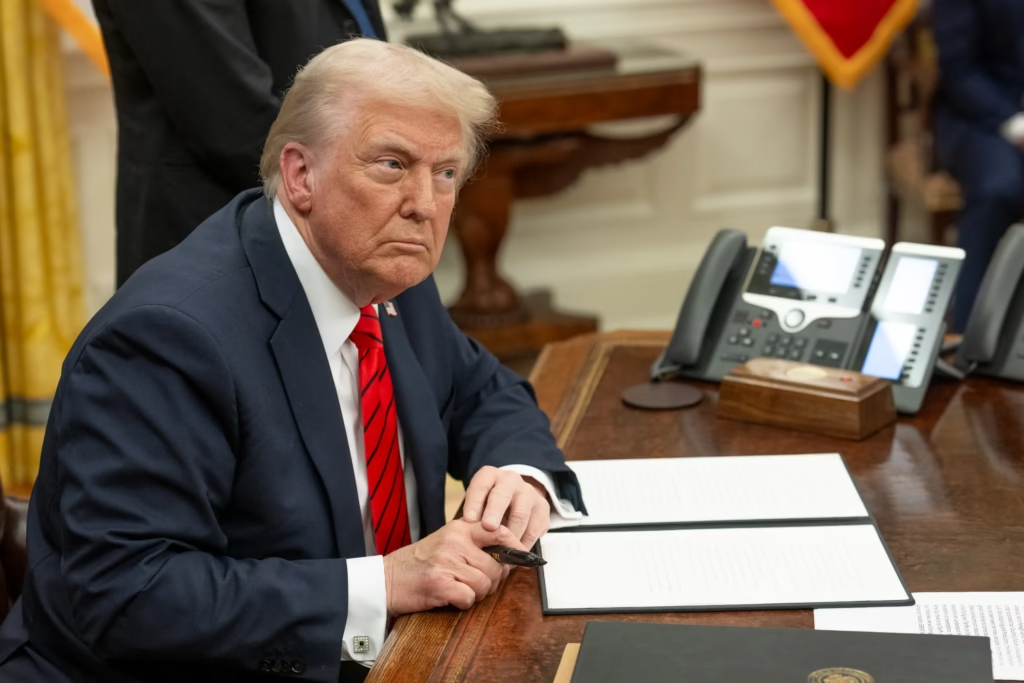
In a move that’s already sending shockwaves across the globe, President Donald Trump has reinstated and expanded the U.S. travel ban, blocking entry to nationals from 12 countries and imposing partial restrictions on several more. The new policy, announced Wednesday, is set to take effect Monday, June 9, at 12:01 a.m. EDT. The executive action revives the legal framework of Trump’s earlier travel bans but expands it dramatically—marking one of the most aggressive immigration orders of his second term so far. FULL BANS IMPOSED ON 12 NATIONS Effective next week, citizens of the following countries will be fully barred from entering the United States under both immigrant and non-immigrant visas: Afghanistan Myanmar (Burma) Chad Republic of the Congo Equatorial Guinea Eritrea Haiti Iran Libya Somalia Sudan Yemen Zooming In Trump officials argue that these countries either lack proper security screening infrastructure, fail to cooperate with deportations, or have unacceptably high visa overstay rates. Critics say the list includes nations already facing economic hardship and conflict, raising questions about humanitarian consequences and foreign policy fallout. Partial Restriction on Seven Others An additional seven countries will face targeted restrictions on specific visa types such as student, tourist, or business travel: Burundi Cuba Laos Sierra Leone Togo Turkmenistan Venezuela Why These Countries? In these cases, the U.S. government cited issues such as forged documentation, noncompliance with international identity standards, or irregularities in cooperation with U.S. immigration authorities. Exemptions and Special Cases Despite the sweeping nature of the ban, several groups will remain exempt: Lawful permanent residents (green card holders) Dual nationals traveling on a passport from an unaffected country Foreign diplomats Athletes participating in international competitions Special immigrant visa holders, such as Afghan allies Immediate family members with verified relationships to U.S. citizens or residents The administration stated that the exemptions are designed to “preserve humanitarian values and key strategic partnerships,” though critics argue they fall short of protecting vulnerable populations. Political Fallout and Global Reaction This latest proclamation follows closely on the heels of a high-profile criminal incident involving an Egyptian national who overstayed his U.S. visa—though Egypt itself was not included in the ban. The administration has used the event to reignite national security debates, positioning the travel ban as a preemptive safety measure. Global reactions have ranged from outrage to diplomatic caution. Officials in Somalia, one of the banned nations, issued a public statement expressing willingness to “work cooperatively” with the U.S. to resolve concerns. Civil rights groups and immigration advocates are already mobilizing to challenge the policy in court. The move resurrects memories of the original 2017 travel ban that drew nationwide protests and eventually reached the Supreme Court. That ban was rescinded under President Biden, but Trump’s return to office has made clear that immigration control remains central to his political strategy. With the policy set to go live in less than a week, a new chapter in U.S. immigration politics is already underway—and the world is watching. The Author
Senate Moves on Landmark Data Privacy Bill as Public Distrust Grows
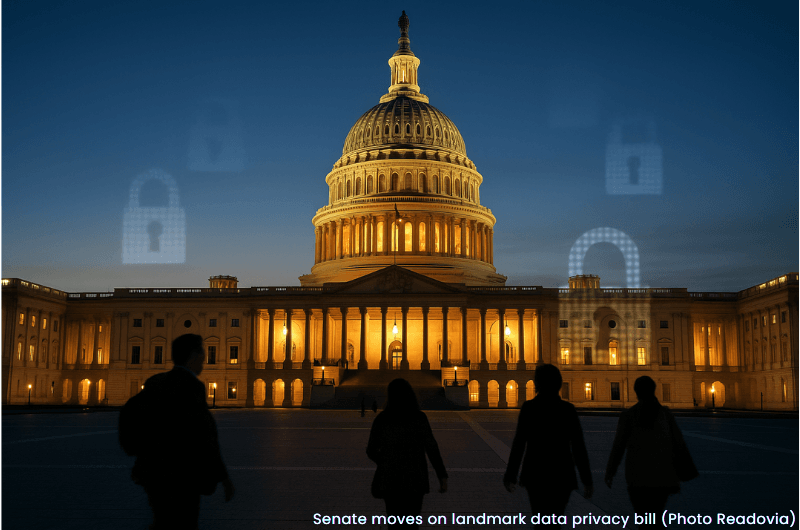
A bipartisan group of lawmakers is fast-tracking a sweeping new data privacy bill, aiming to rein in how federal agencies and private companies collect, share, and store personal information. The move comes on the heels of growing backlash over federal efforts to expand surveillance under the banner of fraud prevention — including recent controversy around the USDA’s attempt to gather detailed data from SNAP recipients. With public trust eroding and legal challenges mounting, Congress is under pressure to act. Dubbed the American Data Dignity Act, the proposed legislation would establish clear limitations on data access, require stronger encryption standards, and give Americans the right to know — and challenge — what information the government holds on them. Supporters say the bill is long overdue. Critics argue it could hinder data-driven fraud detection and federal efficiency. Either way, the debate marks a rare show of bipartisan urgency in a deeply divided Senate — and a signal that the privacy pendulum may be swinging back toward the people. The Author [IT_EPOLL_POLL id=”3758″][/IT_EPOLL_POLL]
Governors Push Back on Federal Overreach in Social Welfare Programs

The tension between states and the federal government is heating up — and this time, the battlefront is social programs. Several governors — both Republican and Democrat — have issued statements or filed legal actions challenging federal directives they say go too far in dictating how states run programs like Medicaid, SNAP, and housing assistance. The flashpoint? Recent orders tied to “unfettered access” to recipient data and stricter eligibility audits. State officials argue the mandates not only strain local budgets but also undermine their ability to design programs that fit their populations. Some have accused the administration of using federal funding as leverage to force states into compliance. The White House, meanwhile, insists the measures are necessary to combat waste, fraud, and abuse — citing billions in improper payments and outdated data-sharing systems. With lawsuits pending and political stakes high, the outcome of these clashes could reshape the federal-state relationship — and set the tone for how much autonomy states will retain in administering the country’s social safety net. The Author
USDA Puts Brakes on SNAP Data Grab After Lawsuit Hits Hard

A sweeping request by the USDA to gather years’ worth of personal data from millions of SNAP recipients is now on hold — after a federal lawsuit raised the alarm over privacy violations and government overreach. The U.S. Department of Agriculture (USDA) has paused its directive requiring states to submit sensitive personal data of Supplemental Nutrition Assistance Program (SNAP) recipients. The move comes after a federal lawsuit challenged the legality of the agency’s sweeping request. In May, the USDA instructed states and their electronic benefit transfer (EBT) processors to provide five years’ worth of detailed information on SNAP applicants and recipients — including names, birthdates, Social Security numbers, and addresses. The agency cited a recent executive order mandating “unfettered access” to data from federally funded state programs. Privacy advocates and hunger relief organizations pushed back immediately, filing a lawsuit that claimed the USDA’s demand bypassed long-standing privacy protections and failed to follow proper legal procedures. In a recent court filing, a USDA official confirmed that the agency has not yet begun collecting the data and has issued instructions to all involved parties to hold off until legal questions are resolved. The pause offers temporary relief to more than 40 million Americans who rely on SNAP benefits. Still, questions linger about the future of the data collection effort as the lawsuit moves forward — and as federal agencies navigate the fine line between oversight and overreach.
Brace Yourself: Extreme Heatwave Forecasted to Grip U.S. Cities This Summer
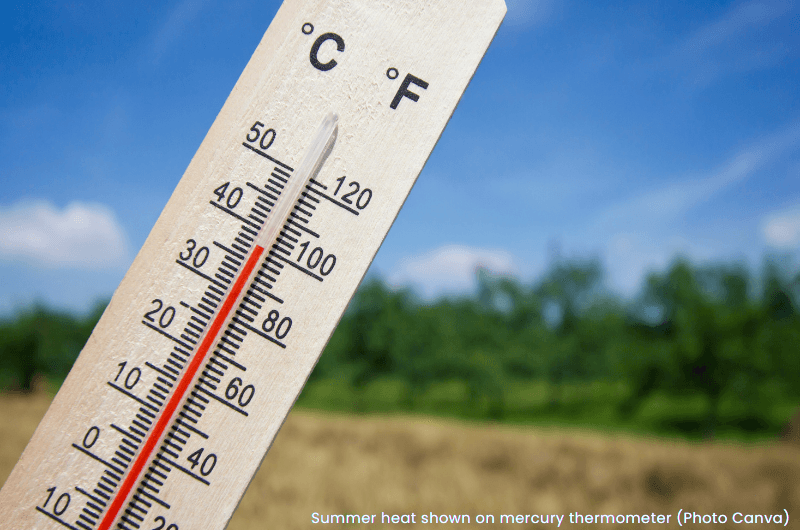
As the summer of 2025 unfolds, the United States is facing an unprecedented heatwave, with forecasts predicting soaring temperatures across the nation. This season could become one of the hottest on record, with widespread heat alerts and scorching conditions expected from coast to coast. Cities in the Crosshairs Several major cities are expected to bear the brunt of this extreme heat: Phoenix, AZ: Temperatures are projected to exceed 110°F, with some days climbing even higher. Las Vegas, NV: Forecasts indicate triple-digit highs day after day, putting stress on both residents and infrastructure. Houston, TX: After experiencing its hottest spring on record, the city is bracing for heat indices near or above 100°F. New York City, NY: The Big Apple is expected to experience more 90°F+ days than usual, amplifying discomfort in a densely populated environment. The Urban Heat Island Effect Urban areas are particularly vulnerable due to the “urban heat island effect,” where concrete and asphalt trap and radiate heat long after sunset. Cities with limited green space can see temperatures several degrees higher than nearby rural areas, compounding the risks for residents. Health and Safety Concerns Extreme heat isn’t just uncomfortable — it can be deadly. Health officials are urging precautions as the risk of heat exhaustion, dehydration, and heatstroke rises. Vulnerable populations such as seniors, children, outdoor workers, and people with chronic conditions are especially at risk. Staying hydrated, avoiding peak sun hours, and checking on neighbors are all key safety measures. Climate Change: A Driving Force Scientists say this isn’t just a freak season — it’s a glimpse of what the future may hold. As global temperatures continue to rise, the intensity and frequency of heatwaves are expected to grow. The urgency for climate resilience and adaptation strategies has never been more pressing.
Lavender Girl Summer: The Aesthetic Taking Over Everything from Wardrobes to Weekend Plans

You’ve heard of cottagecore. You’ve seen coastal grandmother. Now, make room for Lavender Girl Summer — the aesthetic quietly redefining how women are living, dressing, and designing their days this season. Part color story, part mindset, Lavender Girl Summer isn’t about pastels or perfume. It’s about pace. About softness that’s intentional. Romance that’s unbothered. And curating a life that looks like it smells faintly of linen spray and purple flowers. So, what is Lavender Girl Summer? At its core, it’s a mood — equal parts minimalist and wistful. Think lavender-toned linens, sun-faded cotton sets, thrifted poetry books, and Sunday afternoons that stretch into golden hour. It’s soft-spoken style with a backbone: delicate details paired with modern restraint. No frills, no fuss — just ease with taste. In homes, it looks like ceramic mugs, billowy curtains, vintage candlesticks, and hand-poured soaps. On social, it shows up as unfiltered countryside snaps and quiet kitchen moments — a rebellion against the scroll-happy chaos of modern life. Why It’s Trending Now Lavender Girl Summer isn’t just about looking calm — it’s about being calm. As more women opt out of hustle culture and into presence, this aesthetic represents more than a style choice. It’s a lifestyle shift: one that values serenity, softness, and slow, beautiful things. How to Embrace It You don’t need a farmhouse or a European summer to channel it. A lavender dress, a line-dried towel, or a solo date to a flower market can set the tone. It’s less about matching a Pinterest board, more about matching a state of mind. This summer, the boldest thing you can do might just be to move gently. The Author
Jonathan Anderson at Dior: A New Era for Luxury Fashion

Luxury fashion just got its next big plot twist. In a historic move, Dior has tapped Jonathan Anderson to oversee all creative direction across its men’s, women’s, and couture divisions — a bold, sweeping appointment that hasn’t been seen since the legendary Christian Dior himself. Fashion insiders are calling it the biggest shakeup in high fashion since Phoebe Philo’s comeback — and perhaps the most ambitious creative consolidation in decades. Anderson, already hailed for his boundary-pushing tenure at Loewe and the cult-classic status of his namesake label JW Anderson, is known for challenging expectations while respecting heritage. At Dior, he inherits one of the most powerful fashion houses in the world — with the task of making it feel not just relevant, but revolutionary. Industry whispers suggest that Dior’s parent company, Moët Hennessy Louis Vuitton (commonly known as LVMH), is playing a bigger game than just a creative refresh. It’s a statement: that in an age where luxury needs to be fast-moving, future-focused, and editorially potent, a singular vision might just be the edge needed to lead. Anderson’s first full collection is already generating buzz, with rumors of experimental tailoring, dramatic silhouettes, and a reinvention of Dior’s classic codes. But beyond the runway, his leadership could set the tone for a new kind of creative power structure — one where fashion houses operate less like committees and more like auteur-driven film studios. For now, all eyes are on Paris — and one very sharp British designer who just became the most powerful man in fashion. The Author
GPT-5 Whispers Are Growing Louder — And You’ll Want to Pay Attention

The AI world is holding its breath — again. Whispers of GPT-5 are no longer just speculation. From industry chatter to subtle signals from insiders, there’s a growing sense that OpenAI’s next big leap could be closer than we think. And if even half the rumors are true, it could be a seismic shift. What’s the Word? Here’s what’s fueling the fire: Early testers are allegedly already interacting with a more advanced system. Enterprise insiders in healthcare, education, and finance are prepping for “major rollout updates” this fall. And OpenAI itself? Quiet. Which only adds fuel to the fire. Many believe GPT-5 won’t just be smarter — it’ll be sharper, faster, and more capable of real-time, nuanced reasoning across text, visuals, and voice. If GPT-4 turbocharged productivity, GPT-5 could rewire it. Why It Matters Let’s be clear: this isn’t just another upgrade.This could be the model that brings true multi-modal intelligence into the mainstream. Think: Smarter virtual tutors Sharper legal assistants Seamless creative partners And real-time, multi-language customer service that actually feels human We’re talking massive disruption — again. And the early adopters? They’re already positioning themselves. What You Can Do Now You don’t have to be a developer or tech CEO to prepare for what’s coming. But you should be: Experimenting with current AI tools (ChatGPT, Claude, Perplexity) Following key trends in AI and automation Learning how to prompt — the new power skill in content, business, and education And keeping your eyes peeled for real announcements, not just social media noise The Takeaway If you thought the AI boom was leveling off, think again. GPT-5 could mark the beginning of AI’s second wave — and this one might be even bigger than the first. Readovia will be watching. The Author