


Malcolm-Jamal Warner: A Life Well Lived, A Career Revered, & A Legacy to Remember

Malcolm-Jamal Warner, beloved actor, musician, director, and cultural icon, has died at the age of 54. He passed away on July 20, 2025, while vacationing with his family in Costa Rica. Caught in a rip current off Playa Cocles, Warner drowned while trying to protect his young daughter, who was rescued and is safe. His death sent shockwaves through the entertainment world, marking the loss of a talent who grew up on screen and left a lasting impression across generations. Becoming Theo Born August 18, 1970, in Jersey City, New Jersey, Malcolm-Jamal Warner was named after Malcolm X and jazz pianist Ahmad Jamal. He began acting at just nine years old, studying at The Professional Children’s School and paving the way for a breakout role that would make television history. At 14, Warner was cast as Theo Huxtable on The Cosby Show, a role that instantly cemented him in American culture. As the charming, relatable middle child in the Huxtable household, Warner brought humor, heart, and depth to the series. In 1986, he received an Emmy nomination for Outstanding Supporting Actor — a rare feat for a teenager at the time. His performance helped redefine the image of Black families on television. More than just a character, Theo Huxtable became a symbol of possibility, aspiration, and authentic teenage experience. Beyond the Sitcom While many actors might fade after a childhood breakout, Warner’s career only deepened. He headlined several series, including Here and Now, Malcolm & Eddie, and Reed Between the Lines. As a dramatic actor, he found a home in shows like Sons of Anarchy, American Crime Story, Suits, Sneaky Pete, and The Resident — where he portrayed Dr. AJ Austin with gripping nuance. Behind the camera, Warner proved just as capable. He directed episodes of The Cosby Show, Malcolm & Eddie, All That, Keenan & Kel, and The Fresh Prince of Bel-Air. His directing work spanned multiple genres and networks, showcasing his creative range. He also appeared in stage productions, including August Wilson’s Fences, and lent his voice to animated series and educational programming. His acting credits extended to TV movies, indie films, and even audiobooks. The Musician, the Poet, the Voice Warner was also a gifted musician and poet. A skilled bass guitarist, he performed live with his band Miles Long and collaborated with artists in the worlds of jazz, R&B, and soul. His spoken word performances were deeply personal and politically resonant — drawing praise for both content and delivery. In 2015, he earned a Grammy for Best Traditional R&B Performance alongside Robert Glasper and Lalah Hathaway for “Jesus Children.” His 2022 poetry album, Hiding In Plain View, earned a Grammy nomination and further confirmed his voice as one that mattered beyond television. He hosted and performed at venues nationwide, including poetry slams, jazz festivals, and Black arts conferences. His performances blended storytelling, music, and commentary — always delivered with honesty and intention. A Cultural Commentator In 2024, Warner launched Not All Hood, a podcast that aimed to dismantle monolithic perceptions of the Black community. With warmth and depth, he tackled complex issues, shared interviews with artists and thinkers, and gave space to often-ignored narratives within Black culture. The show became a favorite for its authenticity and nuance — much like Warner himself. A Nation Reflects Tributes poured in from across the entertainment world. Former castmates, collaborators, and fans alike mourned his passing. Raven-Symoné, who played Olivia on The Cosby Show, described him as a guiding light and big brother figure. Stars like Beyoncé, Tracee Ellis Ross, Jamie Foxx, and Morris Chestnut shared memories of Warner’s kindness, brilliance, and enduring spirit. Colleagues from The Resident spoke of his generosity on and off set. Friends remembered him as a quiet powerhouse — never loud, but always unforgettable. A Final Word Malcolm-Jamal Warner was more than a famous face from a legendary sitcom. He was a creator, a thinker, a father, and an artist who wore many hats with grace. His legacy is not just in reruns or awards, but in the millions of people he inspired to dream, express, and embrace who they are. He reminded the world that success doesn’t have to mean compromise, and that growing up on screen can lead to growing into your purpose. His light will be missed, but never forgotten. Rest in power, Malcolm.
Inflation Is Back—and This Time, President Trump’s Tariffs Are Driving It

Just as prices were beginning to cool, inflation is rising again—and tariffs may be to blame. The June CPI (Consumer Price Index) report shows a 2.7% annual increase, driven in part by import cost surges tied to the Trump administration’s new trade policy. Treasury yields have climbed above 5% as investors brace for a longer Fed pause, despite White House calls for rate cuts. “This is not transitory. This is structural,” one economist warned on Wednesday. U.S. Small businesses are the amongst the biggest losers in the tariffs fiasco, because they are the ones paying them. Tariffs, or taxes on imported goods, are significantly impacting small businesses by increasing costs, disrupting supply chains, and potentially leading to job losses. Small businesses often operate on smaller margins and have limited resources to absorb these added costs compared to larger corporations. This can force them to raise prices for consumers, reduce production, or even face closure. The Bottom Line CPI (a primary measure of inflation) rose for the third straight month Bond markets signal higher-for-longer policy Trump’s tariff expansion plan may complicate Fed decisions through fall Tariffs are adversely impacting US small businesses, and some may be forced to close due to financial distress. The Author
The Bromance. The Breakup. The Fallout: Inside the Trump–Musk Feud
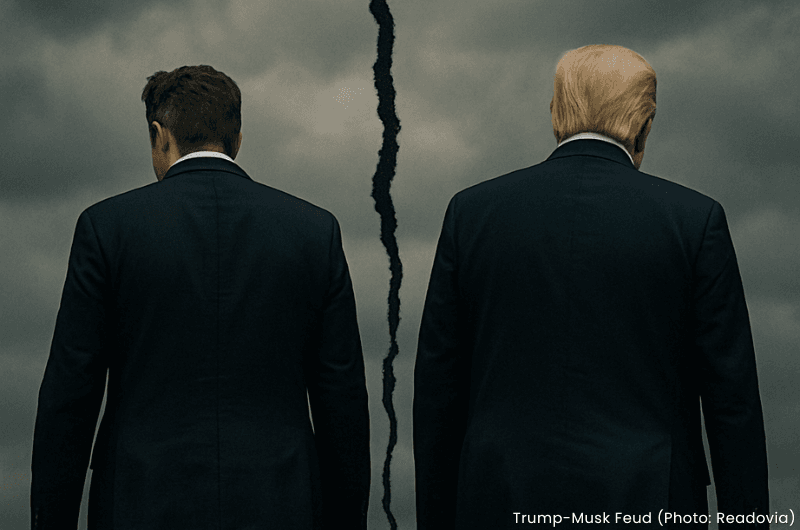
“Power rarely fractures quietly. What began as a headline-grabbing alliance between Elon Musk and Donald Trump has turned into a full-scale political rupture—with real consequences. This exclusive Readovia feature unpacks how two of the most powerful men in America went from partners to public enemies—and what it means for the future of the GOP.” – Ellis Grant, Staff WriterReadovia It started as a billionaire bromance. Now it’s a full-blown political divorce—with the future of the Republican Party hanging in the balance. Elon Musk changed his phone number. Speaker of the House Mike Johnson says no one in the Trump administration can reach him. And just weeks ago, Musk was co-leading a White House task force and publicly praising President Trump’s “visionary leadership.” Now? He’s calling Trump a fraud, threatening to gut Republican midterms with a new third party, and implying the president’s name appears in Jeffrey Epstein’s files. This isn’t just a falling out between two powerful men—it’s a rapidly escalating political rift that could split the Republican base in half ahead of the 2026 midterms. Welcome to America’s most dramatic breakup of the year. The Power Couple Phase The Trump-Musk relationship began with power and money. During Trump’s 2024 campaign, Musk quietly funneled over $277 million into conservative super PACs backing the Republican ticket. He also used his vast social media reach and behind-the-scenes lobbying to boost Trump’s narrative on everything from AI to anti-regulation. In January 2025, Musk took a formal role in the new administration, co-chairing the White House’s freshly formed Department of Government Efficiency—unironically abbreviated as DOGE. His mission? Slash spending, shake up legacy departments, and make good on Trump’s promise to “drain the swamp 2.0.” Trump called him “one of the smartest men alive.” The Big Blowup On June 5, everything changed. That morning, Musk went scorched-earth on the president’s much-hyped tax-and-spending plan—what Trump dubbed the “Big, Beautiful Bill.” Musk called it a “disgusting abomination,” slamming the budget for bloating the deficit and funneling funds to what he called “zombie departments.” Then he did what he does best: opened up the floodgates on X. “Should we start a new party? One that puts you in charge? Yes or no.”— Elon Musk, June 5, 10:47 AM The poll racked up more than 1.2 million votes in 24 hours. Over 65% said yes. And then came the nuclear tweet: a vague but unmistakable suggestion that Trump’s name appears in sealed Epstein court documents. Musk didn’t elaborate—but he didn’t walk it back either. By the end of the day, Trump’s response was furious and immediate. He called Musk “off the rails,” accused him of betrayal, and suggested revoking federal subsidies for Tesla and SpaceX. Insiders say Musk’s companies could lose billions if contracts are pulled. Fallout in Real Time Since the initial blast, the feud has only escalated. Musk began calling Trump’s bill the “Big Ugly,” a deliberate taunt. Trump called Musk a “train wreck.” And in a final act of digital defiance, Musk changed his phone number—cutting off all direct contact with Trump, according to House Speaker Mike Johnson. Meanwhile, Musk officially launched what he’s now calling the “America Party”, pledging to fund a slate of anti-establishment candidates for 2026. He’s already hired staff and claims thousands have signed up to help. Why This Matters: Impact & Consequences This isn’t just another tech mogul tantrum. The stakes are real—and rising. Tesla & SpaceX on thin ice Consequences: Trump could revoke EV credits and federal contracts. Stock volatility has already begun. Republican unity fractured Consequences: America Party could siphon off 7–10% of GOP votes, tipping control of Congress. Third-party spoiler effect Consequences: Musk’s new “America Party” movement could energize younger, libertarian-leaning voters—but at a cost to existing party margins. Conspiracy optics Consequences: Musk’s Epstein allegation, whether substantiated or not, has fueled new MAGA infighting and media scrutiny The Author
The AI Job Market is Exploding—and You May Not Need a Degree to Get In

AI careers are having a moment—and it’s not just hype. From six-figure salaries to flexible roles, the opportunities are real and multiplying fast—and paying handsomely. In fact, some AI positions are commanding salaries well into the six figures, with remote options and stock bonuses baked in. For now, it’s a boom. But how long will it last? That’s the question many quietly ask while refreshing their LinkedIn alerts. Where the Real Jobs Are If you think the AI boom is only for coders, think again. Sure, there’s massive demand for AI engineers, and data scientists (yes, that’s a real title now). But companies also need: Prompt engineers who fine-tune how AI models respond to language and queries AI trainers and data annotators (often contract-based but crucial) Technical writers who can document complex models in plain English AI product managers to shape tools for everyday users, and Legal and compliance pros who understand AI risk and regulation Who’s Hiring? Industries hiring most aggressively? Think finance, healthcare, retail, cybersecurity, and—you guessed it—Big Tech. But smaller firms and startups are quickly catching up, especially those trying to integrate AI without building from scratch. Who’s Actually Landing These Jobs You don’t need a fancy degree to break into AI. These days, skills speak louder than diplomas. More and more companies are hiring based on what you can do—not where you went to school. If you’ve got a solid portfolio, hands-on experience, or even just a track record of figuring things out fast, you’re in the game. Some of the best hires right now are self-taught, fresh out of a bootcamp, or coming from totally different careers. What matters most? Knowing how to use AI tools in the real world—and being able to show it. Also: don’t sleep on soft skills. If you can explain complex ideas clearly, work well with non-tech teams, or just write a decent email, you’ve got an edge. What They’re Paying Entry-level roles like AI support analysts or model testers can start around $60,000–$80,000, depending on location and industry. But mid-level machine learning engineers, AI consultants, and AI product leads often hit $150,000–$250,000. At well-funded companies, even higher. The job titles may sound made-up, but the money is very real. Why the Boom Might Bust (Or At Least Slow Down) Here’s the truth: AI isn’t immune to market cycles. A sudden glut of applicants, overhiring by hype-chasing firms, or stricter regulation could cool demand. And then there’s the kicker—AI could eventually automate some of the very jobs it creates. Especially in areas like data labeling, testing, and even some programming tasks. That’s why smart professionals are hedging their bets—getting into AI now, but staying adaptable for the long game. The Author
Texas Flash Flood: At Least 134 Dead, Many Still Missing

Last updated July 16 – 12:30 PM (EST) A catastrophic flash flood tore through Central Texas over the Fourth of July weekend, claiming the lives of more than 134 people—including at least 27 campers and counselors from Camp Mystic, a private girls’ summer camp along the Guadalupe River. Fueled by lingering moisture from Tropical Storm Barry, intense rainfall pounded the Texas Hill Country in the early hours of Friday, causing the Guadalupe River to rise 26 feet in just 45 minutes. Some areas saw up to 20 inches of rain within hours, overwhelming the region and unleashing catastrophic flooding. By July 8, officials confirmed at least 111 deaths, with over 170 people still missing. The tragedy hit Camp Mystic especially hard. Families are mourning the loss of daughters, sisters, and young friends who had just arrived at camp days earlier. Rescue workers discovered debris from the camp more than 15 miles downstream. Hundreds of volunteers, National Guard troops, and first responders continue recovery efforts across Kerr, Kendall, Travis, Burnet, and surrounding counties. As the water recedes, the scope of the devastation is becoming painfully clear. Texas Governor Greg Abbott has issued a statewide disaster declaration, and President Trump approved federal emergency assistance. The response has sparked criticism over delayed alerts and outdated infrastructure in flood-prone areas long known as “Flash Flood Alley.” Climate experts warn that extreme weather events like this are becoming more frequent due to warmer, wetter air patterns. Meanwhile, local officials are calling for major investments in early-warning systems and better public education around flash flood risks. With entire families grieving, the Texas flood is already being called the deadliest inland flood in U.S. history since 1977—and the final toll may not yet be known.
Elon Musk Launches New Political Party, Tesla Shares Tank

Elon Musk has officially launched the America Party, positioning it as a centrist alternative to Republicans and Democrats. In a flurry of posts, Musk framed the new political movement as a way to “restore freedom,” pledging to back candidates in key House and Senate races during the 2026 midterms. The party’s early platform focuses on fiscal conservatism, AI-driven national defense, and what Musk calls a “pro-family, pro-future” agenda. The move sent shockwaves through financial markets. Tesla shares plunged nearly 8%, erasing an estimated $68 billion in value within days. Investors and analysts quickly voiced concern that Musk’s growing political ambitions are distracting him from Tesla’s core business at a critical time—especially with the company’s robotaxi rollout on the horizon and sales performance under pressure. Some financial institutions have already downgraded Tesla’s outlook, citing leadership uncertainty. One analyst warned that if Musk splits his focus between running a political operation and leading Tesla, the company’s ability to execute could falter. The reaction from Washington has been equally dramatic. Musk’s decision to launch his own political party reportedly stems from his disillusionment with former allies in the GOP—particularly after recent legislative developments. In response, Trump dismissed the party as “a train wreck waiting to happen.” Critics say Musk may underestimate the logistical and legal barriers to building a viable third party, especially in states with tough ballot access laws. But supporters argue that with Musk’s brand, influence, and billions in funding, even a limited America Party showing could shake up key races. The bigger question: can Elon Musk realistically run a car company, a space company, and now, a political party—without breaking something along the way? The Author
Inside the Tiny House Movement: 2025

Tiny homes just got a big upgrade. What started as a niche minimalist movement has evolved into a design-forward lifestyle — and in 2025, tiny homes are anything but basic. Today’s models boast solar panels, retractable furniture, composting toilets, and even voice-activated lighting. You might live small, but you won’t feel like you’re missing out. Thanks to remote work and rising home prices, more people — from retirees to digital nomads — are choosing to downsize without sacrificing style or sustainability. A new wave of manufacturers is offering prefab tiny homes that can be delivered, customized, and move-in ready in under 90 days. Design is driving demand. Think sleek Scandinavian interiors, multi-use spaces, and hidden storage that would make a Manhattan apartment jealous. Many are being built with high-end finishes and wellness-focused features like natural light optimization, purified air systems, and smart climate control. There’s also a growing community vibe. Tiny house villages and eco-communities are springing up across the country, from Oregon forests to Florida coastlines. They offer not just affordability, but a lifestyle of intentional living — one where less really can be more. Whether it’s about escaping the mortgage grind or just living with a lighter footprint, the tiny house trend is proving it’s no longer a passing fad — it’s a movement that’s redefining what we call “home”. The Author
Build an AI App for iOS? Not Without Apple’s Blessing

Building AI apps for iOS just got trickier. Apple’s infamous walled garden just got a little taller — especially if you’re building with AI. In a move catching developers off guard, Apple has begun cracking down on AI-powered apps that mimic native iOS features. Several app makers have reported rejections during the App Store review process, citing vague rules about “confusing user experience” and “duplicating iOS functionality.” What does that mean in plain English? If your app looks or behaves too much like Siri, Spotlight search, or even Apple’s own Notes or Calendar tools — and it’s powered by AI — it’s likely getting the boot. This pushback comes just weeks after Apple unveiled its own AI platform, Apple Intelligence, powered in part by OpenAI. The company is clearly tightening control over how third-party AI tools appear and behave inside its ecosystem — especially as it prepares for a fall launch of AI features in iOS 18. Developers say the new enforcement feels sudden and inconsistent. Some were told to “revise core functionality” without clear guidance. Others point out that Apple’s own upcoming features borrow heavily from existing third-party ideas — including AI writing assistants and summarizers. This isn’t the first time Apple has flexed its muscles against innovation that threatens to blur the line between its software and others’. But the timing — right as Apple stakes its claim in the generative AI space — is raising eyebrows. The Author
Senate Strikes Down AI Regulation Ban in Win for States and Oversight
In a rare bipartisan move, the U.S. Senate voted 99‑1 to strip a controversial provision from President Trump’s sweeping “One Big Beautiful Bill” that would have blocked states from enacting their own AI regulations for the next decade. The now‑removed clause had drawn intense criticism from privacy groups, child protection advocates, and state lawmakers who argued it would give Big Tech a free pass at the expense of public safety. States like California, Texas, and Colorado have already begun crafting their own AI laws, targeting everything from deepfakes to biometric surveillance and algorithmic discrimination. Proponents of the original provision said a national standard was necessary to prevent regulatory chaos. But opponents countered that such a blanket freeze would stifle innovation, delay ethical oversight, and undercut local governments’ right to protect their citizens. With the clause gone, states now retain full authority to regulate AI as they see fit—even as Congress inches toward a broader federal framework. For now, it’s a rare win for watchdogs, technologists, and legislators who believe AI governance should remain flexible, accountable, and close to home. The Author
P. Diddy Found Guilty of Prostitution, Acquitted on Racketeering Charges
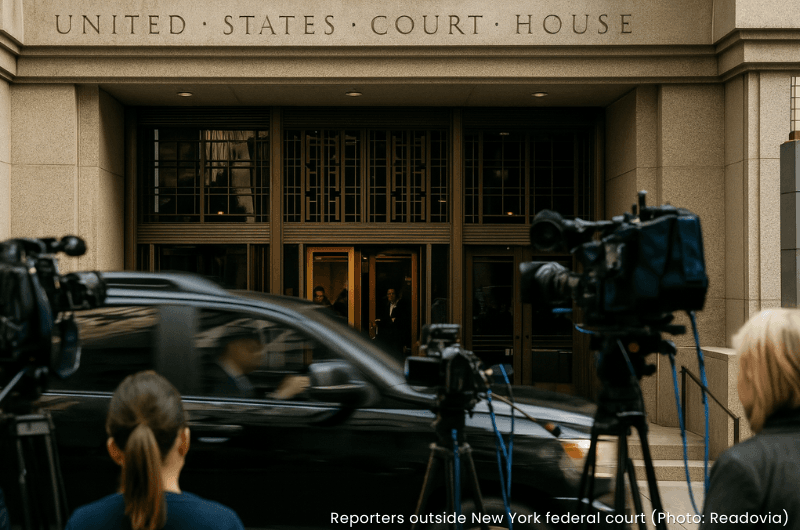
After days of speculation, the jury has spoken. In a partial verdict that’s sure to spark both debate and relief, Sean “Diddy” Combs was found guilty on two counts related to the federal Mann Act for transporting individuals across state lines for the purpose of prostitution. The jury acquitted him, however, of the most serious charges — racketeering conspiracy and sex trafficking. The decision comes after three days of deliberation and weeks of explosive courtroom testimony, much of it focused on allegations of coercion, surveillance, and a decades-long pattern of abuse. While Combs’s legal team celebrated the acquittals on the heaviest charges, federal prosecutors called the convictions “a step toward justice for the survivors.” Combs faces up to 20 years in prison — 10 years for each of the Mann Act violations — though sentencing has yet to be scheduled. His legal team is reportedly preparing a motion for bail pending sentencing, citing the jury’s mixed verdict and Combs’s cooperation throughout the trial. Public reaction has been swift and polarized. Outside the courthouse, a mix of fans, survivors’ advocates, and media outlets gathered to witness what some are calling the “end of an era” for the once-untouchable music mogul. As the dust settles, one thing is clear: this trial has pulled back the curtain on the power structures of the entertainment world, and shown just how far public accountability can reach. The Author