


Trump’s $100K H-1B Visa Fee Rocks U.S. Tech Hiring

For decades, America’s tech industry has relied on a steady stream of foreign engineers, designers, and developers to fill critical roles. That reliance just became far more expensive. On September 21, 2025, the Trump administration imposed a $100,000 fee on all new H-1B visa applications—a change so sweeping it could redefine how U.S. companies source global talent. What Is the H-1B Visa? The H-1B is a temporary, nonimmigrant visa that allows U.S. employers to hire highly educated foreign professionals in “specialty occupations.” These roles usually require at least a bachelor’s degree or equivalent experience, and are most common in fields like technology, engineering, mathematics, and medical sciences. Paid by U.S. employers, an H-1B visa is typically granted for an initial three-year period, with the option to extend for a maximum of six years. For decades, it has been a key pathway for global talent to contribute to America’s innovation economy. What Changed The new rule applies only to new H-1B petitions. Existing visa holders and renewals are not affected. Employers—not applicants—must cover the cost, which the administration argues will discourage misuse of the visa program and encourage hiring of American workers. But with the price of a new visa now rivaling the cost of an executive hire, companies say it’s an unprecedented financial burden, especially for smaller firms and startups that lack the deep pockets of Big Tech. Employer Reactions Major players like Microsoft, Amazon, and Google are scrambling to reassess hiring strategies. Startups, which often depend on H-1B workers for specialized technical skills, face even harder choices: either absorb the fee, automate, or shift work overseas. The fee is so steep that many employers are questioning whether they can justify hiring foreign candidates at all, potentially reshaping the landscape of the U.S. innovation economy. Worker and Immigrant Perspective For potential applicants, the new policy introduces new barriers—and new fears. Many foreign workers already in the U.S. are safe, but others abroad are reconsidering whether to apply at all. Families are anxious about travel and re-entry, uncertain whether future opportunities will be financially viable. Global Consequences The impact won’t stop at America’s borders. India, the country with the highest number of H-1B applicants, has already warned of “humanitarian consequences” and economic fallout. For decades, the H-1B pipeline has been a bridge between India’s talent pool and Silicon Valley’s demand. Now that bridge looks unstable. Other countries are watching closely. If the U.S. closes its doors, Canada, the U.K., and Australia are poised to scoop up talent eager to work in tech-friendly economies. Economy and Innovation Risks Supporters of the fee argue it will protect U.S. jobs and level the playing field. Critics counter that it risks undermining America’s competitive edge. Without access to global expertise, U.S. firms could face slower growth, weaker innovation, and more outsourcing abroad. The balance between protecting domestic labor and fueling a world-leading tech industry has never been more fragile. Between the Lines The $100,000 H-1B fee is more than a price tag—it’s a signal. The U.S. is recalibrating its stance on immigration, placing cost barriers on global talent that was once welcomed. The question now isn’t whether companies will adapt. It’s whether America can afford the innovation slowdown that may follow.
The Smartphone Showdown: Samsung’s Tri-Fold vs Apple’s Next Move

The smartphone wars are entering a new dimension. Samsung is preparing to launch the world’s first tri-fold phone, while Apple is chasing thinness with its next iPhones—even as leaks suggest a foldable iPhone is coming in 2026. It’s a battle of vision: durability and design versus innovation and wow factor. And for once, Samsung isn’t following Apple’s lead—it’s leaping first. Samsung’s Big Swing According to reports, Samsung’s tri-fold phone could be unveiled as soon as September 29, 2025, with limited availability starting in November. The design folds twice, creating a device that can expand into a tablet-sized 12.4-inch display before collapsing back into a pocket-friendly form. Production is expected to be limited—around 50,000 units at launch—targeting markets like South Korea and China before a broader rollout. As for price, industry sources suggest a range of $2,500 to $3,500, reflecting the cost of developing a three-hinge mechanism, multiple batteries, and complex software. If confirmed, this would make it Samsung’s most expensive phone to date. Apple’s Thin Play—and the Fold to Come On the other side of Silicon Valley, Apple is chasing the opposite frontier: thinner devices. Its upcoming iPhone line, tipped to include an “iPhone 17 Air”, will spotlight sleek design over folding tricks. Apple believes lighter and thinner still matters. But make no mistake—Apple is also working behind the scenes on a foldable. The company has not officially confirmed a foldable iPhone for 2026, but multiple credible reports point to a device codenamed “V68” that could launch in the latter half of 2026, likely as part of the iPhone 18 lineup. Early leaks suggest a large internal display with new crease-reducing screen tech, a unique camera system, and Touch ID instead of Face ID. Pricing could land near $2,000, putting it in line with other premium foldables. Apple’s challenge will be marrying its obsession with polish and durability to a form factor that’s notoriously fragile. And as always, the company seems content to enter the race late—confident that when it does, it will redefine the category. The Stakes for Smartphones This showdown underscores a new phase in mobile: Samsung bets on radical form—a phone that can be three devices in one. Apple bets on refinement first—and enters the foldable race later, on its own terms. Consumers face the trade-offs—price, practicality, durability, and bragging rights. The tri-fold could redefine productivity on the go—or flop as a gimmick. Apple’s thinner iPhones may feel evolutionary, not revolutionary. But with its foldable expected in 2026, Apple is ensuring it won’t be left behind. Between the Lines Foldables are no longer “if,” but “when.” Samsung’s tri-fold is a bold play to own the future of the smartphone. Apple’s restraint signals confidence: it doesn’t need to be first, just flawless. The real question is whether consumers want a $2,500 to $3,500 experiment—or if the market will wait until Apple decides it’s ready to bend. The Author
Banner’s Hallmark Files for Bankruptcy

Banner’s Hallmark, a Virginia mainstay known for greeting cards and gifts, has entered Chapter 11 bankruptcy as of September 14, 2025. Nearly 40 Hallmark Gold Crown stores are affected, marking a serious financial crossroads for a brand rooted in tradition and sentiment. For now, the doors remain open. But the filing underscores the harsh reality of running a seasonal, nostalgia-driven business in an era when consumer habits and retail economics are rapidly shifting. Inside the Bankruptcy Filing Court records show Banner’s carrying $10 million to $50 million in assets and liabilities, with significant debts owed to Hallmark Marketing Co. ($6.4 million), Crown MAC ($5.3 million), and PNC Bank ($3 million). The company cited rising operating costs, seasonal revenue swings, and mounting debt pressure as reasons for seeking protection. The broader trend is unmistakable: Hallmark’s physical presence has shrunk dramatically. In just five years, U.S. Gold Crown stores have declined from around 2,000 to about 1,146. While Americans still exchange cards, a growing share of greetings now happen digitally, and budget-conscious shoppers are turning to big-box retailers or online alternatives. Chapter 11: Breathing Room, Not Closure Chapter 11 offers Banner’s Hallmark a temporary reprieve, allowing management to restructure debt and operations while keeping stores running. It’s a chance to reset—but not a guarantee of survival. Success will hinge on whether the chain can adapt quickly to modern consumer behavior, where convenience and cost often outweigh tradition. The Bigger Picture for Retail Banner’s Hallmark is far from alone. Legacy retailers with seasonal or niche offerings are facing the same pressures: Unsteady cash flow tied to holiday and occasion-driven peaks. Changing buying patterns with e-cards, digital gifts, and online shopping eroding traffic. High fixed costs in leases, payroll, and supply chains that leave little flexibility. Each factor erodes margins, and together they create the kind of financial strain that leads to bankruptcy court. Between the Lines Banner’s Hallmark shows how even brands built on emotion and nostalgia can run headlong into financial brick walls. Tradition alone doesn’t secure the bottom line. For retailers, landlords, and lenders, the warning is clear: sentiment sells cards, but it doesn’t pay the rent.
Censoring Late Night — Kimmel’s Firing and the Free Speech Debate
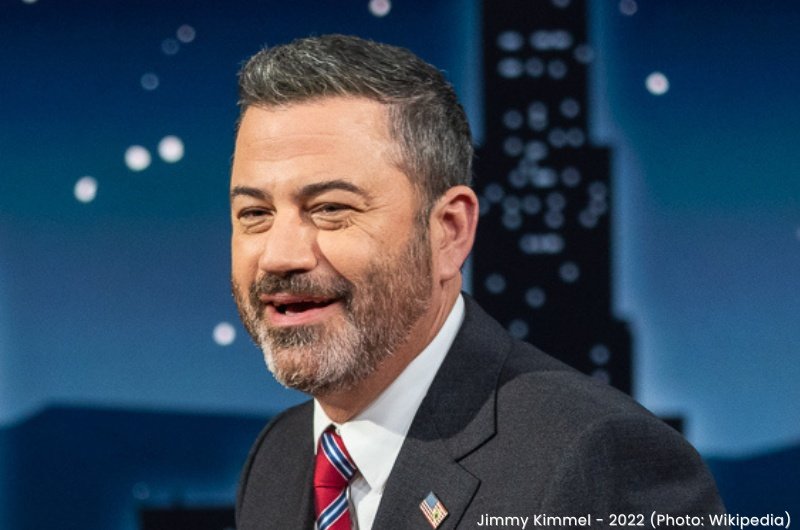
ABC pulled Jimmy Kimmel Live! off the air this week after remarks on Charlie Kirk’s death, fueling a national debate over free speech, censorship, and the boundaries of comedy. What Happened The network suspended the show indefinitely after Kimmel’s monologues referencing the assassination of Charlie Kirk drew criticism. Pressure mounted when FCC Chair Brendan Carr suggested regulatory consequences for affiliates that continued airing the program, and Nexstar Media Group — which controls a large number of ABC affiliates — quickly announced it would stop carrying it. The Backlash Other late-night hosts, entertainment figures, and free-speech advocates blasted the decision as censorship. Stephen Colbert and Seth Meyers used their own platforms to defend Kimmel, warning that political pressure shaping broadcast decisions could set a troubling precedent. On social media, hashtags like #StandWithKimmel and #CensorshipInAmerica trended within hours. The Case for Removal Supporters of the suspension argue Kimmel’s remarks crossed a line, calling them insensitive and out of step with public sentiment following Kirk’s killing. For affiliates and advertisers, the calculus was less about free expression and more about brand protection in a deeply divided media climate. The Bigger Picture The Kimmel case underscores the uneasy balance between editorial freedom, regulatory oversight, and corporate interests. Networks are under pressure from multiple directions: political figures, advertisers wary of backlash, and viewers who expect accountability. In this environment, even a late-night monologue can carry national stakes. The Takeaway What happened this week isn’t just about one comedian or one show. It’s about the boundaries of public commentary in an era where political polarization, media economics, and regulatory oversight collide. If late-night comedy — historically one of television’s safest spaces for satire — is now fair game for suspension, the ripple effects on other media voices could be profound.
When Troops Patrol American Streets: Federal Power Meets Local Resistance

The Trump administration’s decision to deploy federal and National Guard troops into multiple U.S. cities has reopened a fierce national debate over civil liberties, executive power, and the nearly 150-year-old Posse Comitatus Act of 1878. What the Posse Comitatus Act Means Enacted in 1878, the Posse Comitatus Act generally prohibits federal armed forces from acting in a policing capacity for civilian law enforcement. Its aim was to enforce a boundary between military authority and civilian governance, a safeguard conceived in the post-Reconstruction era. Although exceptions exist—such as when Congress authorizes military involvement or when a president invokes the Insurrection Act—the Act has served as a longstanding legal barrier to domestic military policing. The Washington, D.C. Deployment In August 2025, President Trump declared a “crime emergency” in Washington, D.C., took control of the Metropolitan Police Department under Section 740 of the District of Columbia Home Rule Act, and mobilized National Guard troops to assist federal law enforcement. Estimates suggest that about 800 D.C. National Guard troops were deployed, supplemented by additional Guard members from Republican-led states. While the White House framed the intervention as necessary to restore order, crime statistics showed that violent crime in the district was already trending downward. The Memphis Deployment On September 15, 2025, President Trump signed a memorandum deploying the National Guard to Memphis and establishing a federal “Memphis Task Force” to assist with public safety and violent crime. The White House’s stated justification was “tremendous levels of violent crime” in Memphis that, in the administration’s view, local authorities were unable to manage. However, law enforcement data released by the Memphis Police Department indicated that crime across major categories had declined to a 25-year low through the first eight months of 2025. The deployment prompted a split reaction: Tennessee Governor Bill Lee expressed support, while Memphis Mayor Paul Young said he did not request the Guard and questioned whether it was the right approach for addressing violent crime. Key Tensions and Legal Questions While federal authorities have pathways to deploy troops—especially in Washington, D.C.—the use of troops in a civilian policing or public safety role raises potential legal questions under the Posse Comitatus Act. Critics argue that deploying military or National Guard units in this manner risks blurring the lines between law enforcement and military operations, potentially undermining civil rights and setting dangerous precedents. Some legal experts point out that although D.C.’s unique federal jurisdiction gives the president more latitude, expanding similar tactics to other cities could require invoking the Insurrection Act or other statutory exceptions—actions likely to face significant court challenges. Final Word The decisions made in Washington and Memphis may be trailheads for a broader shift in how federal power is wielded in U.S. cities—and how the government thinks about domestic deployments in response to crime, protest, or civil unrest. If military or quasi-military deployments in cities become a normalized tool for addressing public safety, long-standing legal protections distinguishing civilian governance from military policing could face long-term erosion. The Author
Robert Redford, Hollywood legend, Sundance Founder, and Oscar-winning actor, dies at 89

Charles Robert Redford Jr., the beloved actor, director, and founder of the Sundance Film Festival, passed away today at his home in Sundance, Utah. He was 89. According to his family, he died peacefully in his sleep, surrounded by loved ones. A Star Who Redefined American Cinema Born in Santa Monica in 1936, Redford rose to stardom in the late 1960s and 1970s with unforgettable performances in Butch Cassidy and the Sundance Kid, The Sting, and All the President’s Men. Known for his sharp intelligence and easy charisma, he embodied a new kind of American leading man—handsome, but also thoughtful, layered, and often skeptical of power. As a director, Redford proved just as influential. His 1980 directorial debut, Ordinary People, won him an Academy Award and set the tone for a career that valued storytelling depth over spectacle. The Sundance Legacy Perhaps Redford’s most enduring contribution was building a home for independent voices in film. By establishing the Sundance Institute and Film Festival, he transformed the landscape for rising filmmakers. What began as a small gathering in Utah grew into one of the most important showcases for fresh talent, changing how audiences discover stories outside of Hollywood’s mainstream. Beyond film, Redford devoted himself to environmental and social causes. He was a vocal advocate for climate action, conservation, and indigenous rights, using his influence to shine light on issues too often ignored. Remembered With Love Tributes have poured in from across Hollywood. Longtime collaborators recalled his wit, warmth, and artistic courage. Fellow actors described him as a steady presence both on and off the screen—someone who treated his colleagues as partners rather than props. Redford also shared deep connections with audiences, not only as a performer but as a cultural figure who believed movies could make a difference. A Life of Triumph and Loss Redford’s journey was marked by both great triumphs and personal heartbreak. He endured the devastating loss of two of his children but found strength in family, art, and advocacy. In his later years, he stepped away from the spotlight to live quietly in Utah with his wife, artist Sibylle Szaggars, while continuing to mentor filmmakers and support conservation projects. An Enduring Impact Robert Redford leaves behind an extraordinary body of work—both in front of the camera and behind it—and a festival that continues to shape the future of film. His influence will live on in every independent filmmaker who finds their voice, every audience moved by an unexpected story, and every artist inspired to take a risk. He is survived by his wife, children, and grandchildren, along with the countless storytellers who walk the path he helped to clear.
USA Today Bets on AI With “DeeperDive” Chatbot
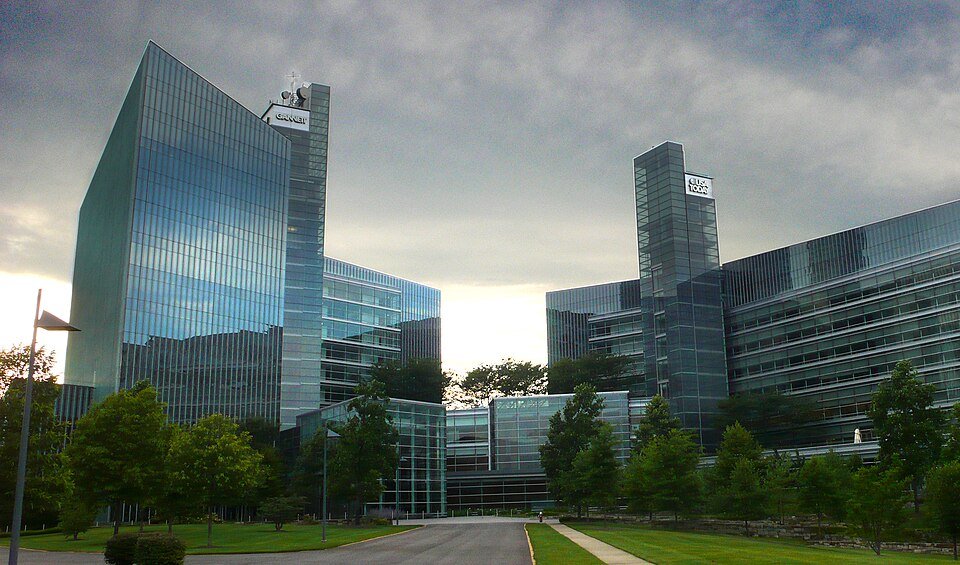
Gannett, the parent company of USA Today, has entered the generative AI era with the launch of DeeperDive, a chatbot designed to help readers interact with the news in new ways. Unlike traditional search bars, DeeperDive invites users to ask conversational questions such as “How does Trump’s Fed policy affect the economy?” or “What’s happening in the U.S. housing market right now?” The chatbot then responds with concise, citation-backed summaries rather than opinion-driven content. A Shift in How Readers Consume News The move underscores a seismic shift in the media industry. As more audiences turn to AI-powered summaries and assistants outside of news sites, publishers are racing to build their own tools to keep readers engaged. Gannett executives describe DeeperDive as a way to “meet readers where they are”—offering context, clarity, and direct answers instead of leaving users to wade through multiple articles. DeeperDive is powered by generative AI models fine-tuned on vetted content from USA Today and other Gannett outlets. This internal sourcing, the company says, ensures the bot remains factual, timely, and in line with editorial standards. What’s at Stake for Journalism The experiment is part of a broader reckoning in journalism: will AI amplify newsrooms or cannibalize them? Advocates see potential to enhance trust and accessibility—especially for younger audiences accustomed to getting information from AI assistants like ChatGPT. Skeptics warn that chatbots may oversimplify, strip nuance, or encourage readers to rely on surface-level answers rather than full reporting. Still, Gannett is betting that DeeperDive will redefine how people engage with its stories. If successful, it could spark a wave of similar rollouts across the U.S. media landscape, ushering in a new era of AI-augmented journalism.
US Military Strikes Third Venezuelan Vessel Allegedly Carrying Drugs in the Carribbean

The U.S. military has confirmed that a third Venezuelan-linked boat was destroyed in the Caribbean, marking the latest escalation in Washington’s campaign against suspected drug-smuggling operations. The strike follows earlier incidents on Sept. 2 and Sept. 15, bringing the total to three vessels sunk this month. Officials report at least 14 deaths across the operations. A Campaign Against Narco-Trafficking The administration says the vessels were part of narco-trafficking networks—organized groups that produce, transport, and sell illegal drugs. Narco-trafficking is more than smuggling; it involves growing or manufacturing narcotics, moving them through covert routes, and distributing them through criminal syndicates. These networks often rely on violence and corruption to protect their operations. According to U.S. defense officials, the targeted boats were believed to be carrying drugs or assisting in drug shipments across the Caribbean. However, no public evidence has been presented, raising questions about the legitimacy of the strikes. Rising Legal and Political Tensions Lawmakers and international observers are increasingly divided. Supporters argue the military actions send a strong message to traffickers and deter criminal activity. Critics counter that striking foreign-flagged boats on the high seas, without presenting proof of narcotics onboard, could breach international law and destabilize already fragile U.S.–Latin American relations. A Growing Standoff The Venezuelan government has yet to issue a formal response, but the strikes come amid already strained ties between Washington and Caracas. Analysts warn that continued confrontations at sea could escalate into a broader regional conflict if diplomacy fails to catch up with military action. For now, the Caribbean remains on edge—caught between America’s war on narco-trafficking and Venezuela’s defiance in the face of U.S. pressure. The Author
U.S. threatens to ban TikTok if China ties deal to tariffs
As of September 15, 2025, U.S. officials say they are prepared to ban TikTok if China does not drop demands that link the app’s potential sale to unrelated concessions on trade and technology. Treasury Secretary Scott Bessent and Trade Representative Jamieson Greer confirmed that while progress has been made on the technical aspects of a TikTok sale, Beijing continues to push for tariff relief and looser export controls as part of the deal. The White House has drawn a hard line, insisting it will not sacrifice national security to preserve a social media platform. For Chinese negotiators, however, TikTok represents leverage in wider trade talks, and officials see the divestment as an opportunity to reset terms on tariffs and technology restrictions. Analysts caution that without direct involvement from President Trump and President Xi, a breakthrough in Madrid is unlikely. Instead, the September 17 divestment deadline may be pushed back once again. Still, the outcome could reshape future negotiations over technology, trade, and global digital regulation well beyond TikTok itself.
Kirk Assassination Probe: Suspect Not Cooperating with Authorities
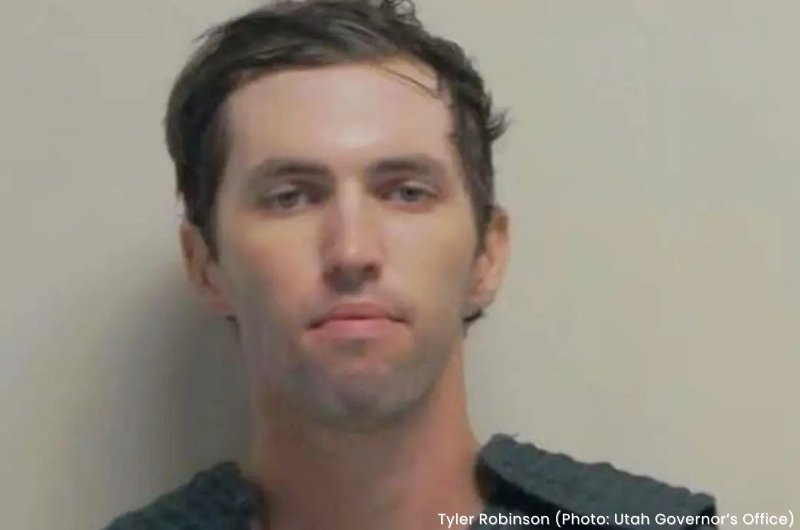
Utah Governor Spencer Cox says the accused shooter in the Charlie Kirk killing is refusing to assist investigators, even as those close to him share information. The investigation into the shocking assassination of conservative activist Charlie Kirk has hit a wall. Utah Governor Spencer Cox confirmed Sunday that the alleged shooter, 22-year-old Tyler Robinson, is not cooperating with authorities. Despite facing formal charges including aggravated murder and obstruction of justice, Robinson has reportedly withheld all input since being taken into custody. While the suspect remains silent, investigators are drawing on testimony from Robinson’s friends, family members, and his roommate — all of whom are cooperating — to piece together his movements and potential motives. Cox pointed to Robinson’s ideological leanings and recent political shifts as possible context, but officials stress that no clear motive has been established. Robinson is being held without bail and is expected in court this week. Until then, the investigation is likely to rely on circumstantial evidence and outside testimony, leaving the central question of motive unanswered.