

Ozempic for the Gut? New Research Points to a Surprising Benefit
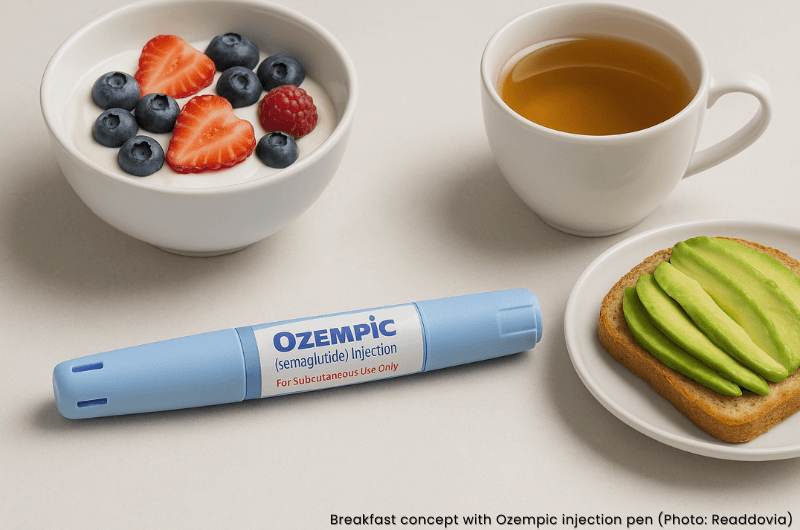
Most people know Ozempic and Wegovy as headline-grabbing weight-loss drugs. But emerging studies suggest these GLP‑1 medications might also impact the gut microbiome—not just waistlines. What the Research Actually Shows GLP‑1 receptor agonists—which mimic the hormone released by intestinal cells after meals—are well-known for slowing digestion, suppressing appetite, and helping with blood sugar control. Now, clinical data and lab research suggest these drugs may also alter gut bacteria, increase microbial diversity, and support an environment that reduces inflammation. In some cases, that means improved digestion, lower gut permeability, and better metabolic function overall. Some experts believe the drugs’ anti-inflammatory and microbiome effects may play a more central role in their overall benefits than previously thought. What Doctors Are Saying Many patients on GLP‑1 medications report less bloating, smoother digestion, and more energy stability—especially when paired with higher-fiber meals. While these benefits are still being researched, the early signs point to positive gut responses in some users. That said, more data is needed. What works for one microbiome might not work for another. Should You Try GLP‑1 Drugs for Your Gut? Only if you’re medically prescribed one. These are powerful prescription medications designed for diabetes and obesity—not probiotics in disguise. Side effects like nausea and constipation are common, and the long-term impact on the gut is still being studied. Some wellness brands are trying to sell GLP‑1–adjacent supplements, but don’t be fooled—none of them match the effect of the real thing. Readovia Rundown Claim What We Know Ozempic may reshape the gut microbiome Early signs show beneficial shifts in gut bacteria Reduces inflammation Shown to calm markers of gut-related inflammation Helps with digestion Many patients report less bloating, more regularity Not a gut health cure-all Still a prescription drug with serious medical use Supplements ≠ Ozempic Over-the-counter alternatives aren’t clinically comparable Bottom Line Ozempic and its cousins are changing more than just the number on the scale. While they’re not gut health treatments per se, they may offer unexpected digestive perks to those already prescribed the drugs. It’s a new frontier—but for now, still a side benefit, not the main event.
Storm Slams East Coast With Dangerous Flash-Flooding From D.C. to NYC

A slow-moving storm front is stirring up serious flash‑flood danger from D.C. to New York City, and no, this isn’t some light drizzle—risk levels are elevated for up to 23 million people. What You Need to Know Widespread Flood WatchesFlood watches are in effect across Connecticut, New York, New Jersey, eastern Pennsylvania, Maryland, Washington D.C., and northern Virginia through Friday. This is the real deal—not your average passing shower. Rainfall That France Would EnvyExpect rainfall up to 2 inches per hour, with some totals reaching 4–6 inches locally. Easily fast enough to swamp roads, subways, and even cars. States of Emergency & Travel AdvisoriesNew Jersey has declared a state of emergency, and NYC’s mayor warned residents to skip basement dwellings and avoid commuting Thursday afternoon. Impact Window = Afternoon & EveningDangerous downpours are expected during and after rush hour, especially between 2 PM and midnight—exactly when most people are on the roads. The Climate AngleThe humid air feeding this storm is linked to rising sea surface temperatures. Experts warn these types of heavy rain outbreaks are becoming more common—and more extreme. Readovia Rundown Focus Why It Matters Multiple metro areas affected D.C., Baltimore, Philly, NYC all at risk Urban flooding—not just roads Streams, subways, basements vulnerable Travel over highways? Beware Highways could become dangerous quickly Wall-to-wall alerts Watches and warnings now active region-wide Weekend rebound ahead Sunshine and cooler air return Friday into the weekend Bottom Line This isn’t a random flash in the pan. It’s a significant weather event along the I‑95 corridor with potential for serious disruption and damage. If you’re in the region: check flood alerts, skip unnecessary travel, and have a backup plan for evening plans.
That New Button on Your Laptop—Here’s What It Does

If you’re buying a new PC this year, don’t be surprised if it shows up with a brand-new key you’ve never seen before—labeled “Copilot” or “AI.” It’s part of a sweeping hardware shift that’s reshaping everything from keyboards to chipsets. But here’s the real question: what does it actually do—and do you really need it? What’s Changing (and Why It Matters) Microsoft and top PC makers like HP, Dell, and Lenovo are rolling out “Copilot Keys” across their latest laptops and desktops. The idea? Give users one-tap access to Microsoft’s AI assistant and productivity features baked into Windows 11. You’ll usually find it where the right Control key used to be—because apparently, no one used that one anyway. So What Happens When You Press It? Right now, it launches Microsoft Copilot—a sidebar-style assistant in Windows that can do everything from summarize text and search files to generate emails and pull up settings. It’s less like Siri and more like a smarter Clippy… with a college degree. But as more apps (like Word, Outlook, and Teams) integrate with it, that button could become your shortcut to automation, formatting, scheduling—and yes, even fluffing up your emails. Should You Actually Care? Maybe. Maybe not. If you’re deep in the Microsoft ecosystem, the button could save you clicks and time—especially in Office apps. If you’re not using Copilot or you’re on a work device with AI disabled, it’s just… a fancy extra key. And if you’re a Mac user? Apple hasn’t added an AI key—yet. Hardware Trends to Watch This isn’t just about keyboards. New PCs are being built with dedicated neural processing units (NPUs) that offload AI workloads, making your device faster, cooler, and better at things like real-time captioning or background blur in video calls. So even if you ignore the AI button, your computer might be doing more than you think under the hood. Final Word The AI button is a sign of where consumer tech is headed: more shortcuts, more automation, and more baked-in intelligence. Whether you press it or not, it’s already reshaping your next device. The Author
Think You Can’t Afford to Save? Maybe It’s Time to Stop Spending

Meet No‑Buy 2025—the budget challenge people are calling part detox, part personality test. The idea? Stop buying stuff you don’t need. Sounds easy enough—until you realize how often you confuse boredom with a checkout button. From skipping $18 oat lattes to finally ignoring your 13th Sephora cart of the month, the movement is gaining traction among Gen Zers, millennials, and even a few brave boomers who’ve had enough. Why It’s Catching On It’s not just inflation fatigue. People are tired of consuming on autopilot. Between rising prices, credit card guilt, and TikTok brain, shoppers are realizing that not buying might actually be the upgrade they’ve been searching for. Online, it’s everywhere: no-spend challenges, closet cleanouts, “look what I didn’t buy” bragging rights, and screenshots of canceled carts. It’s minimalist rebellion—served with a filter. Real-World Wins (With Receipts) Debt goes down. Fast. One woman paid off nearly $50,000 in credit card debt by ghosting impulse buys and skipping dinners that started with “just one drink.” Sanity returns. Others say they feel less overwhelmed, more grounded, and—get this—actually like their closet for once. Style levels up. Fashion insiders argue you don’t really know your style until you stop chasing sales. Real confidence doesn’t come with a tracking number. Who’s Doing It—and Why Gen Z is leading the way. Despite being great savers on paper, many can’t cover a month’s expenses. That makes a no-buy reset feel less like punishment and more like protection. Millennials are shedding the shopping shell. Tired of fast fashion, fast scrolling, and faster debt, they’re slowing things down—and finding that less actually feels like more. Side hustlers are tagging in. Some are using no-buy months to boost savings from resale apps and freelance gigs. One woman cut her shopping, then flipped half her closet for cash. Not All Zen and Savings You’ll feel itchy. The urge to spend doesn’t vanish just because you made a rule. Social plans still cost money. And no one wants to be the “I’m on a no-buy” person at brunch. It can backfire. Go too hard, and you risk binge spending the moment it ends. Think of this more like meal prep than a crash diet. Retail therapy has feelings too. Small businesses, especially local ones, can feel the squeeze if too many customers go dark. Consider swapping mindless buying for mindful support. How to Try It Without Losing Your Mind Tip Why It Works Start small One no-buy weekend is easier than a whole year. Pick a category Say no to tech for a month. Or beauty. Or those TikTok gadgets. Have a goal Debt? Vacation? Emergency fund? Make it your reason to pause. Don’t make it punishment No-buy doesn’t mean no joy. Find free swaps that feel good. Bottom Line No‑Buy 2025 isn’t just about saving money—it’s about reclaiming focus. In a world of targeted ads and instant dopamine hits, choosing to not spend is a quiet flex. And if you do it right, you might come out with more clarity, less clutter, and a bank account that doesn’t ghost you every Friday night. The Author
The U.S. Gives Russia Only 10 to 12 Days to Stop the War—or Else

Trump swapped his 50‑day grace period for a sharp, new deadline—Russia now has just 10 to 12 days to accept a ceasefire with Ukraine or face sweeping economic punishment. What Trump Said (and Why It’s a Big Deal) While visiting Scotland, President Trump doubled down on his earlier threats, saying “there’s no reason in waiting.” He gave Vladimir Putin a narrow window to agree to peace—or stock up against full-scale secondary sanctions and export tariffs. This tightening timeline sharply escalates U.S. leverage in the conflict. Ukraine Loves It; Russia Just Shrugs President Zelenskyy applauded the move, calling it a “clear stance” and commending Trump for acting “precisely in time” while urging global collaboration. Meanwhile, the Kremlin issued a low-key response. Spokesman Dmitry Peskov “took note” of the deadline and reiterated that Russia’s “special military operation” will carry on, with peace negotiations only when they align with Russian interests. What’s Actually Happening on the Ground Russian missile strikes are continuing unabated. Recent attacks hit a prison in Zaporizhzhia—killing at least 27 inmates—and struck a maternity hospital near Kharkiv. Ukrainian officials labeled the strikes war crimes, even as Trump’s new ultimatum ramped up diplomatic pressure. Why This Ultimatum Matters Diplomacy meets the clock. Trump’s tighter deadline signals impatience with what he sees as protracted talks and attempts to force real progress. Economic pressure ramped up. Beyond just Russian sanctions, the U.S. is threatening tariffs on any country trading with Russia—especially oil imports. Testing international cohesion. European leaders like UK Prime Minister Starmer and French President Macron remain supportive of Ukraine, with Starmer helping build a broader “coalition of the willing” to enforce peace guarantees. Readovia Rundown: What to Take Home Theme Why It Matters Major shift in tone U.S. goes from diplomacy to direct ultimatum. Ukraine backs U.S. resolve Zelenskyy sees it as leverage for real ceasefire. Russia keeps fighting Kremlin avoids direct rejection but shows no concession. High stakes for allies Third countries face economic pressure if they’re seen enabling Russia. Bottom Line Trump’s timeline is a calculated escalation in the U.S. strategy toward Russia. With civilians still dying and global patience thin, Trump’s ticking clock adds real urgency—but whether it brings peace or pushes things toward escalation remains anyone’s guess. The Author
AI Just Passed the Bar Exam Again—Should We Be Impressed or Alarmed?

It’s official: AI can pass the bar exam. Again. And not just barely. In the latest round of standardized testing, large language models like GPT-4 and Claude 3.5 aced legal licensing exams with scores rivaling top-tier law school grads. So… do we clap, panic, or lawyer up? The Scorecard (and the Shivers) AI models aren’t just squeaking by—they’re crushing the Multistate Bar Exam, outperforming the majority of human test-takers. One benchmark showed GPT-4 scoring in the 90th percentile. Claude 3.5 followed closely behind, breezing through questions on torts, contracts, and criminal law like it had office hours with Scalia. These systems aren’t “understanding” law in the traditional sense—but they are pattern-matching and reasoning at levels once thought impossible for machines. Impressive? Absolutely. But Useful? On paper, this is mind-blowing. In practice? Mixed. AI can write a brief—but would you let it argue in court? It can draft a contract—but who’s checking for nuance, ethics, or creative strategy? It can spot errors faster than a paralegal—but still needs human judgment to decide what matters. In other words: AI is a terrifyingly brilliant assistant—not a lawyer. Yet. Who Should Be Paying Attention (Hint: Not Just Lawyers) Law firms are already experimenting with hybrid teams—partner + AI = faster filings, cheaper billing, and fewer late nights. Legal tech startups are racing to productize this—creating AI-powered tools for everything from tenant rights to trademark filings. Everyday users may soon have access to AI-driven legal help on demand. (Imagine asking a chatbot if your landlord can legally raise rent mid-lease.) Why It’s Also a Little Scary If AI can pass the bar today, how long until we let it practice? Or worse, when do we start trusting it more than people? Bias baked in? AI can regurgitate legal precedent with perfect memory—but it can also amplify historical biases and injustices. False confidence. Legal-sounding text isn’t always correct. Lawyers are trained to argue both sides. AI? Not so much. Job disruption. First it came for the paralegals. Now it’s eyeing junior associates. Soon it might reshape the entire legal services economy. Readovia Rundown: What It All Means Insight Why It Matters AI passed the bar It can mimic legal reasoning at elite levels Not a licensed attorney It’s still a tool—not a person Changing legal workflows Faster drafts, fewer entry-level jobs Access to justice may grow AI could democratize basic legal guidance Regulation is still lagging No formal guardrails on AI “practicing law” yet Bottom Line AI passing the bar exam is both a flex and a warning. It proves just how far these models have come—and how close we are to rethinking what it even means to be an expert. For now, you still need a human lawyer to stand in court. But if AI keeps leveling up, the legal profession might be heading for its own kind of cross-examination. The Author
U.S. Unveils Aggressive National AI Strategy to Boost Innovation and Global Leadership
The United States is launching a bold new era of AI leadership. This week, the White House revealed a sweeping national AI strategy detailing over 90 policy actions designed to speed up development, infrastructure, and deployment across government and private industry. The 26-page plan covers everything from workforce training and data center construction to federal coordination and ethical AI standards. With global competition heating up, the message is clear: America is betting big on artificial intelligence. Laying the Foundation for a New AI Economy Key elements of the strategy include: Fast-tracked approvals for building AI data centers, semiconductor fabs, and cloud infrastructure hubs. Federal workforce reskilling, including new partnerships with universities and certification programs. AI ethics guidance for public sector deployments, ensuring transparency and human oversight. Unified cybersecurity monitoring of AI-driven threats across government agencies. An Initiative for Federal Agencies The plan also calls for deeper coordination between agencies like the Department of Energy, HHS, and the Department of Defense — ensuring AI tools are not only powerful but trustworthy. “We’re Done Playing Catch-Up” According to White House officials, the U.S. has spent the past several years reacting to breakthroughs coming from overseas or Silicon Valley. This new plan marks a shift toward proactive development, focused on speed, scale, and cross-sector collaboration. David Sacks, the administration’s lead AI advisor, said the initiative is about “moving faster without cutting corners.” “This strategy is a challenge to innovators and a commitment to citizens,” he said. “We’re scaling up compute, education, and accountability all at once.” Industry Reacts: “This Is a Greenlight” Early reaction from the tech community has been largely positive. Several major players in cloud services and AI model development have expressed strong support, noting that the plan removes long-standing regulatory roadblocks while offering a framework for responsible growth. “This is the greenlight we’ve been waiting for,” said one AI infrastructure executive. “Permits, policy, and pilots — it’s all there.” Meanwhile, venture capital firms and enterprise tech leaders are already positioning themselves to capitalize on what some are calling “AI’s Interstate Highway moment.” What’s Next The strategy lays the groundwork for an ambitious national transformation, but implementation will determine its true impact. Executive orders are expected to follow, along with funding announcements and federal agency rollouts. As AI reshapes everything from education to logistics to national defense, this new strategy signals that the U.S. intends to lead — not follow — the next technological revolution.
White House Unveils New AI Strategy with Executive Orders Ahead
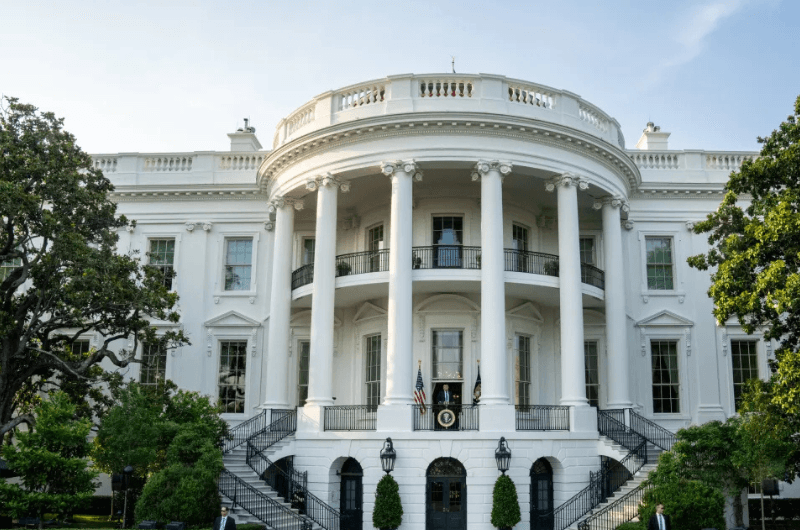
The White House has released a sweeping new AI action plan that outlines the federal government’s vision for artificial intelligence development, infrastructure, and national competitiveness. The 26-page strategy includes more than 90 policy actions designed to accelerate innovation while signaling a major shift in regulatory posture under President Trump. This federal AI playbook arrives amid intensifying global competition, with the administration pushing hard to position the U.S. as the clear leader in the next era of technological dominance. Executive Orders Coming Next According to senior officials, President Trump is preparing a series of executive orders that will accompany the strategy rollout. These directives are expected to ease federal permitting for AI-related construction projects, encourage private-sector partnerships, and establish new agency-wide benchmarks for deploying AI responsibly. “This is a statement of intent,” one administration insider said. “The White House is ready to build — data centers, talent pipelines, and public-private alliances — and to do it at speed.” What’s in the Plan? Key elements of the national AI strategy include: Streamlined permitting for AI infrastructure like chip fabs, cloud servers, and edge computing hubs. Expanded workforce development, including university partnerships and reskilling initiatives for federal employees. Federal AI ethics guidance focused on transparency, fairness, and human oversight. Interagency coordination across defense, health, energy, and intelligence sectors. Cybersecurity protocols to prepare for and defend against AI-powered threats. Responsible Acceleration The administration’s lead AI advisor, David Sacks, emphasized that the plan balances urgency with accountability. “This isn’t deregulation for its own sake,” he said. “It’s responsible acceleration.” Politics Meets Progress The plan is already drawing praise from some corners of the tech world — and criticism from watchdogs concerned about transparency and oversight. Supporters argue that the government has lagged behind private industry for too long and that this roadmap provides long-overdue direction. Critics question whether the strategy sufficiently addresses concerns around bias, surveillance, and concentration of power. One D.C.-based analyst noted, “This plan is about more than innovation — it’s about who controls the future of information, infrastructure, and intelligence.” What It Means for the 2025 Landscape As the 2025 campaign season ramps up, the strategy gives Trump a policy win to tout in both tech and economic circles. It also puts pressure on lawmakers, state officials, and federal agencies to get on board with an accelerated AI agenda — one that will require massive coordination and, potentially, public-private tensions. But one thing is certain: with this move, the U.S. government is no longer a spectator in the AI race. It’s building a launchpad. The Author
Tyrann Mathieu Retires: NFL Star Leaves Behind a Fearless Legacy

After more than a decade of electrifying football, Tyrann Mathieu — known to fans as the “Honey Badger” — has officially retired from the NFL. The 32-year-old safety announced his decision this week, closing the chapter on a storied career defined by heart, hustle, and redemption. Mathieu leaves the game as a three-time Pro Bowler, Super Bowl champion, and one of the most respected voices in professional football — not just for what he did on the field, but for the journey it took to get there. From Hard Knocks to Hard Hits A native of New Orleans, Mathieu’s rise to fame began at LSU, where his speed and instincts earned him national attention. But his early college career was also marked by adversity, including a high-profile dismissal from the LSU program in 2012. That setback could have ended his dreams. Instead, it fueled his comeback. Drafted in the third round by the Arizona Cardinals in 2013, Mathieu quickly silenced critics. He became known for his ball-hawking instincts, explosive tackles, and ability to read the game like a veteran. Whether in coverage or blitzing off the edge, he made quarterbacks uneasy and fans stand to their feet. A Champion on and off the Field Mathieu’s resume includes 29 career interceptions, nearly 700 tackles, and a Super Bowl ring earned with the Kansas City Chiefs during their 2019 championship run. His time with the Houston Texans and later the New Orleans Saints solidified his reputation as a leader in the locker room and mentor to younger players. But perhaps his greatest contribution came off the field. Through the Tyrann Mathieu Foundation, he has poured time and resources into underserved communities, focusing on youth development, disaster relief, and educational outreach — especially in his hometown of New Orleans. He’s spoken openly about his past struggles, using his platform to advocate for second chances, mental wellness, and staying grounded in faith and family. A Voice That Won’t Be Silenced Though he’s hanging up his cleats, don’t expect Mathieu to fade from the spotlight. Sources close to the athlete say he’s exploring opportunities in broadcasting, advocacy, and mentoring the next generation of athletes through his foundation work. NFL stars, former teammates, and fans have flooded social media with tributes. Patrick Mahomes called him “one of the fiercest competitors and best teammates I’ve ever had.” Saints head coach Dennis Allen described him as “the kind of guy who changes the culture of a franchise the moment he walks in.” And maybe that’s the point: Tyrann Mathieu didn’t just change games — he changed perceptions. Of what perseverance looks like. Of how athletes can lead. Of how legacy is written. As he steps off the field for good, one thing is certain: Tyrann Mathieu played the game his way — full speed, full heart, no apologies.
Malcolm-Jamal Warner: A Life Well Lived, A Career Revered, & A Legacy to Remember

Malcolm-Jamal Warner, beloved actor, musician, director, and cultural icon, has died at the age of 54. He passed away on July 20, 2025, while vacationing with his family in Costa Rica. Caught in a rip current off Playa Cocles, Warner drowned while trying to protect his young daughter, who was rescued and is safe. His death sent shockwaves through the entertainment world, marking the loss of a talent who grew up on screen and left a lasting impression across generations. Becoming Theo Born August 18, 1970, in Jersey City, New Jersey, Malcolm-Jamal Warner was named after Malcolm X and jazz pianist Ahmad Jamal. He began acting at just nine years old, studying at The Professional Children’s School and paving the way for a breakout role that would make television history. At 14, Warner was cast as Theo Huxtable on The Cosby Show, a role that instantly cemented him in American culture. As the charming, relatable middle child in the Huxtable household, Warner brought humor, heart, and depth to the series. In 1986, he received an Emmy nomination for Outstanding Supporting Actor — a rare feat for a teenager at the time. His performance helped redefine the image of Black families on television. More than just a character, Theo Huxtable became a symbol of possibility, aspiration, and authentic teenage experience. Beyond the Sitcom While many actors might fade after a childhood breakout, Warner’s career only deepened. He headlined several series, including Here and Now, Malcolm & Eddie, and Reed Between the Lines. As a dramatic actor, he found a home in shows like Sons of Anarchy, American Crime Story, Suits, Sneaky Pete, and The Resident — where he portrayed Dr. AJ Austin with gripping nuance. Behind the camera, Warner proved just as capable. He directed episodes of The Cosby Show, Malcolm & Eddie, All That, Keenan & Kel, and The Fresh Prince of Bel-Air. His directing work spanned multiple genres and networks, showcasing his creative range. He also appeared in stage productions, including August Wilson’s Fences, and lent his voice to animated series and educational programming. His acting credits extended to TV movies, indie films, and even audiobooks. The Musician, the Poet, the Voice Warner was also a gifted musician and poet. A skilled bass guitarist, he performed live with his band Miles Long and collaborated with artists in the worlds of jazz, R&B, and soul. His spoken word performances were deeply personal and politically resonant — drawing praise for both content and delivery. In 2015, he earned a Grammy for Best Traditional R&B Performance alongside Robert Glasper and Lalah Hathaway for “Jesus Children.” His 2022 poetry album, Hiding In Plain View, earned a Grammy nomination and further confirmed his voice as one that mattered beyond television. He hosted and performed at venues nationwide, including poetry slams, jazz festivals, and Black arts conferences. His performances blended storytelling, music, and commentary — always delivered with honesty and intention. A Cultural Commentator In 2024, Warner launched Not All Hood, a podcast that aimed to dismantle monolithic perceptions of the Black community. With warmth and depth, he tackled complex issues, shared interviews with artists and thinkers, and gave space to often-ignored narratives within Black culture. The show became a favorite for its authenticity and nuance — much like Warner himself. A Nation Reflects Tributes poured in from across the entertainment world. Former castmates, collaborators, and fans alike mourned his passing. Raven-Symoné, who played Olivia on The Cosby Show, described him as a guiding light and big brother figure. Stars like Beyoncé, Tracee Ellis Ross, Jamie Foxx, and Morris Chestnut shared memories of Warner’s kindness, brilliance, and enduring spirit. Colleagues from The Resident spoke of his generosity on and off set. Friends remembered him as a quiet powerhouse — never loud, but always unforgettable. A Final Word Malcolm-Jamal Warner was more than a famous face from a legendary sitcom. He was a creator, a thinker, a father, and an artist who wore many hats with grace. His legacy is not just in reruns or awards, but in the millions of people he inspired to dream, express, and embrace who they are. He reminded the world that success doesn’t have to mean compromise, and that growing up on screen can lead to growing into your purpose. His light will be missed, but never forgotten. Rest in power, Malcolm.