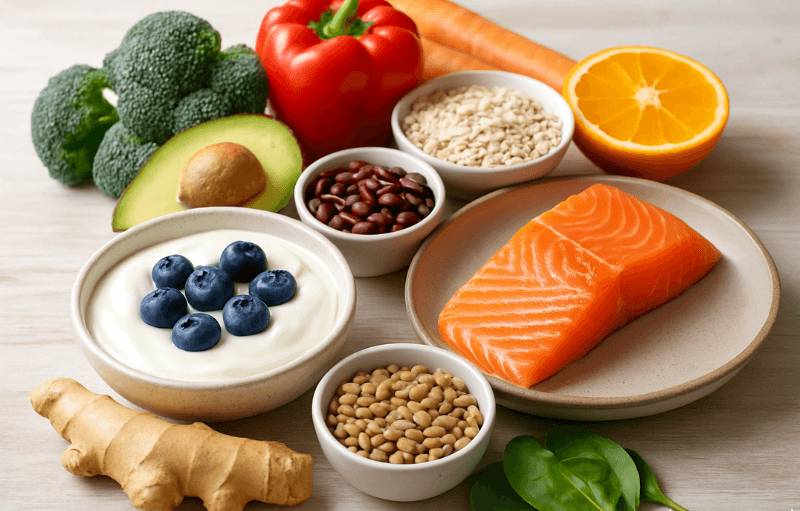
Gut health has become one of the biggest topics in wellness, but taking care of your digestive system doesn’t require an elaborate cleanse or a cabinet full of supplements. Much of the conversation centers on the gut microbiome — the enormous community of bacteria and other microorganisms living in the digestive tract that helps break down food, supports immune function and interacts with other systems throughout the body.
One of the simplest ways to support a healthy gut is to eat a varied diet rich in fiber. Fruits, vegetables, beans, lentils, whole grains, nuts and seeds provide different types of fiber that help support beneficial gut microbes. Rather than focusing on one supposed “superfood,” regularly eating a variety of plant foods can help provide the microbiome with a broader range of nutrients.
Fermented foods can also be part of a gut-friendly diet. Foods such as yogurt with live cultures, kefir, kimchi and sauerkraut contain microorganisms or compounds produced during fermentation. Probiotic supplements, however, are more complicated. Different probiotic strains can have different effects, and a supplement that is useful for one digestive problem may do little for another. For most healthy adults, probiotics shouldn’t automatically be considered necessary simply because they’re marketed for gut health.
Everyday habits matter as well. Regular physical activity, adequate sleep, sufficient fluids and managing chronic stress can all support digestive health. Antibiotics can disrupt the gut microbiome, but they are also essential medicines when appropriately prescribed; they should be taken as directed rather than avoided because of concerns about gut bacteria. Highly restrictive diets and “gut detoxes,” meanwhile, can eliminate nutritious foods without addressing the actual cause of digestive symptoms.
Occasional bloating or digestive discomfort can happen to anyone, but persistent abdominal pain, significant changes in bowel habits, unexplained weight loss, blood in the stool or symptoms that interfere with everyday life deserve medical attention. Gut health is an evolving area of research, and scientists are still learning how the microbiome affects different aspects of human health. For most people, the best starting point remains remarkably straightforward: eat a varied, fiber-rich diet, stay active, get enough sleep and pay attention when your body tells you something isn’t right.