
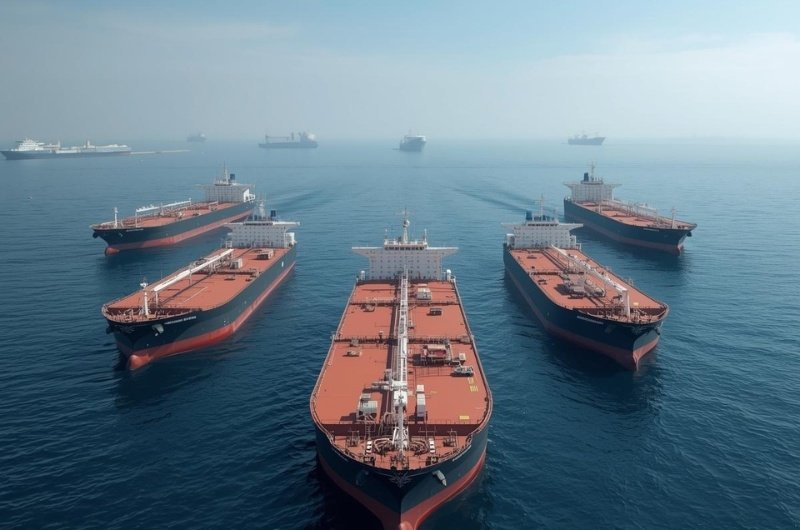
In a direct response to the U.S. and Israeli strike, Iran has closed the Strait of Hormuz — one of the world’s most strategically critical oil shipping routes. The narrow passage serves as a major shipping route for oil exports from Saudi Arabia, the United Arab Emirates, Qatar, Kuwait, and Iraq. A significant portion of the world’s energy supply passes through this corridor.
With the strait effectively blocked, global oil markets are already reacting. Analysts warn that prolonged disruption could send energy prices sharply higher, fueling inflation concerns and adding new pressure to economies still navigating post-pandemic recovery and global instability.
The closure may also shift global demand patterns. Russia, another major oil producer, could see increased interest from buyers seeking alternative supply routes. Venezuela, which holds some of the largest crude reserves in the world, remains a more complicated option due to refining challenges tied to the quality of its oil. U.S. energy companies have historically expressed hesitation about scaling Venezuelan imports for that reason.
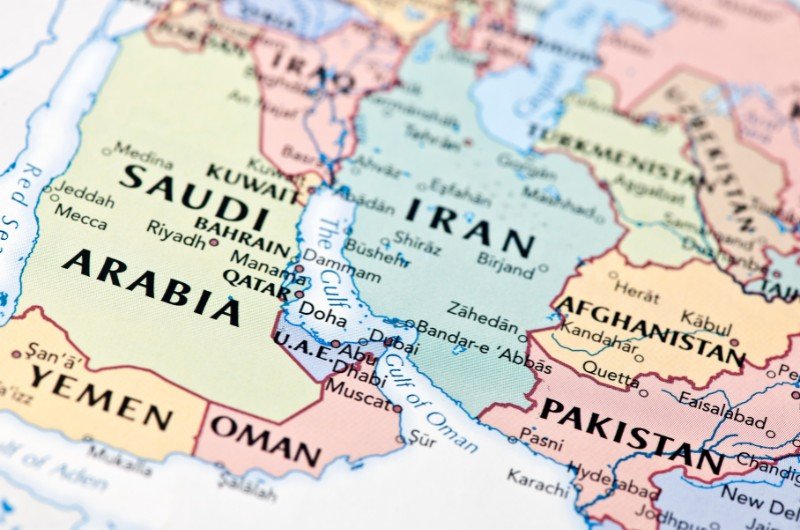
The ripple effects extend far beyond the Middle East. Shipping insurers, commodity traders, and central banks are all recalculating risk exposure as volatility increases. If the standoff continues, the economic consequences could reach consumers quickly in the form of higher fuel prices and broader cost increases.
As military tensions rise and economic uncertainty spreads, the Strait of Hormuz is once again at the center of a global power struggle — with implications that stretch from regional security to household budgets worldwide.
——————–
Related:
BREAKING NEWS: U.S. and Israel Strike Iran; Supreme Leader Reported Dead as Region Erupts