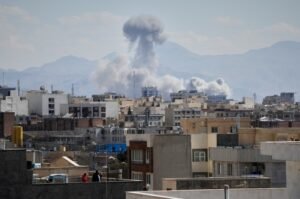

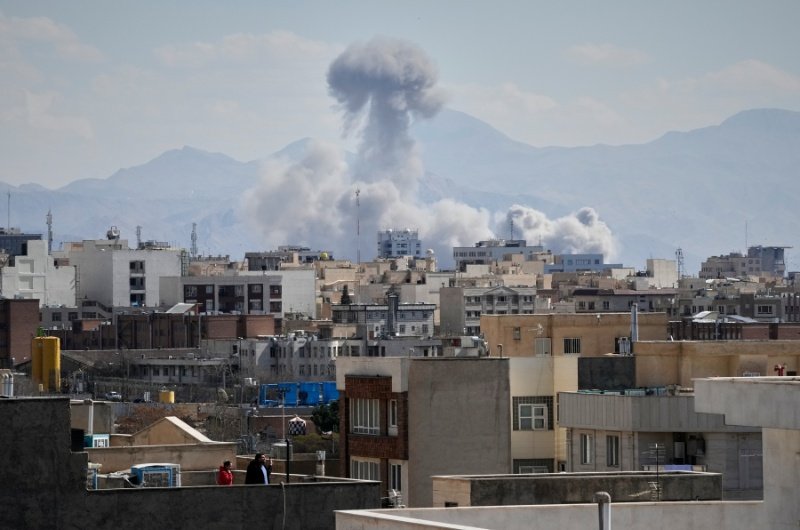
A coordinated military strike by the United States and Israel has dramatically escalated tensions in the Middle East, with reports confirming that Iran’s Supreme Leader, Ayatollah Ali Khamenei, has been killed in the operation. The surprise attack targeted high-level leadership compounds and military infrastructure after weeks of U.S. force buildup across the region.
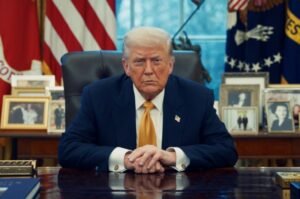
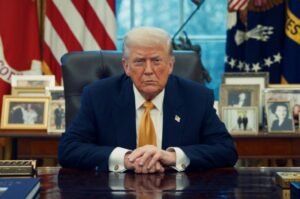
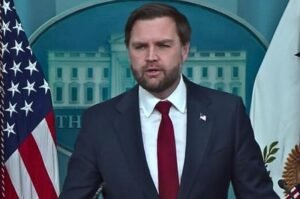
President Trump ordered the strike and later released a video statement in the early morning hours explaining the decision. He said a significant number of Iran’s top decision-makers were eliminated and described the operation as necessary for regional stability. Republican leaders have largely voiced support for the action, while many Democrats are signaling concern and are expected to push for limits on any further military escalation.
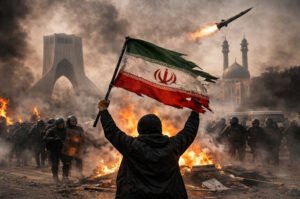
In the hours following the attack, Iran launched retaliatory strikes across parts of the region. Explosions lit the night sky in multiple locations as missile and drone activity intensified. Civilian casualties have been reported, adding to fears of a broader and more prolonged conflict.
Inside Iran, reactions appear mixed. In some areas, reports describe people celebrating in the streets following the death of the country’s longtime leader. In other areas, scenes of mourning and uncertainty are unfolding as questions swirl about who will assume control and how Iran’s government will respond next.
The situation remains fluid, with global leaders urging restraint as markets and militaries brace for what could become one of the most consequential geopolitical turning points in decades.
——————–
Related:
Iran Closes Strait of Hormuz After Strikes, Threatening Global Oil Supply