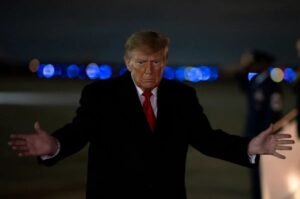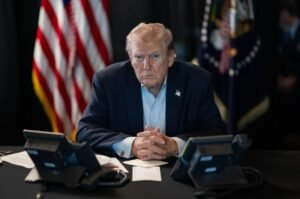



The Supreme Court of the United States ruled Friday that former President Donald Trump overstepped his legal authority when he used emergency powers to impose sweeping tariffs on imported goods. In a 6–3 decision, the Court concluded that the 1977 International Emergency Economic Powers Act does not grant the president broad authority to unilaterally set tariff rates, effectively invalidating those duties.
The tariffs had been implemented as part of a wider trade strategy aimed at countering foreign economic practices and strengthening U.S. negotiating leverage. The administration argued that emergency economic authority allowed for aggressive action. The Court disagreed, holding that while presidents may respond to international crises, the power to levy taxes — including tariffs — ultimately rests with Congress unless clearly delegated.
The ruling places a substantial amount of collected revenue into legal uncertainty. Federal agencies gathered an estimated $175 billion under the affected tariff programs. Businesses that paid those duties are now expected to pursue reimbursement through administrative and judicial channels, though the timeline and mechanism for any refunds remain unclear.
The decision also reshapes the boundaries of executive trade power moving forward. While the White House has indicated it may rely on other statutory tools to maintain certain trade measures, the Court’s opinion reinforces that emergency authority cannot be expanded beyond the limits set by lawmakers.
For markets and policymakers alike, the message is significant: the Constitution’s separation of powers applies fully to economic policy, and even sweeping trade initiatives must operate within clearly defined legal guardrails.
——————–
Related:
Supreme Court Rules Trump Tariffs Unlawful, Billions Could Be Returned